
Introduction
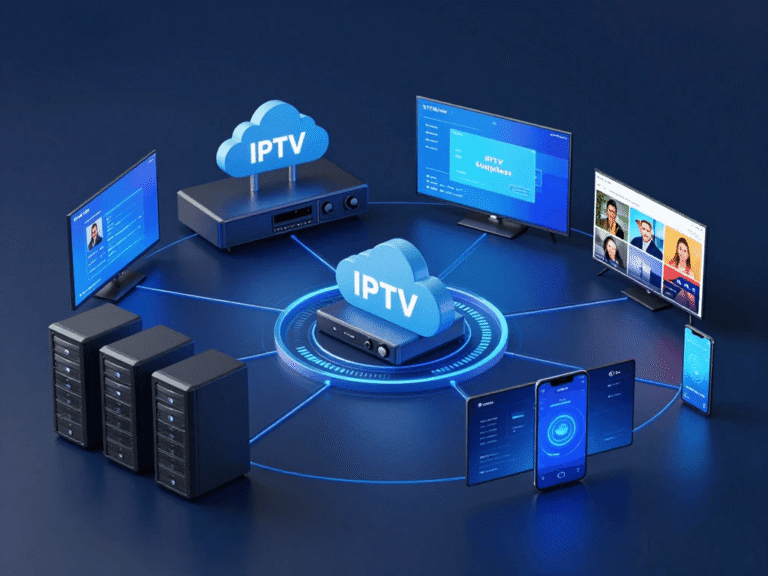
Streaming has transformed the way you watch television. Instead of relying on traditional cable or satellite subscriptions, you can now access thousands of live TV channels, movies, sports events, and on-demand content through an internet connection. This technology, known as Internet Protocol Television (IPTV), has become increasingly popular across the United States because it offers flexibility, affordability, and convenience. Whether you are a business owner looking to launch an IPTV service or simply curious about how IPTV operates behind the scenes, understanding the role of IPTV suppliers is essential.
Many people focus on IPTV providers because they are the companies that sell subscriptions directly to customers. However, IPTV suppliers are the foundation of the entire ecosystem. They provide the technology, content delivery systems, and infrastructure that allow IPTV providers to deliver high-quality streaming experiences. Without reliable IPTV suppliers, there would be no stable IPTV service for consumers to enjoy.
In this comprehensive guide, you will learn exactly what IPTV suppliers are, how they operate, the different types of suppliers available, and why choosing the right supplier is one of the most important decisions for anyone entering the IPTV industry. By the end of this article, you will have a clear understanding of how IPTV suppliers support businesses and what factors you should consider when evaluating them.
What Are IPTV Suppliers?
An IPTV supplier is a company that provides the technology, infrastructure, and, in many cases, licensed content required for IPTV services to operate. Instead of selling television subscriptions directly to viewers, IPTV suppliers typically work behind the scenes by supporting IPTV providers, resellers, hotels, businesses, and organizations that offer IPTV services to their customers.
Think of IPTV suppliers as wholesalers in the streaming industry. Just as a manufacturer supplies products to retail stores, IPTV suppliers provide the essential components that IPTV providers need to deliver streaming services. These components may include live television channels, video-on-demand (VOD) libraries, streaming servers, middleware, customer management systems, and application programming interfaces (APIs).
Depending on their business model, some IPTV suppliers focus exclusively on technology and infrastructure, while others offer complete white-label solutions that allow businesses to launch branded IPTV platforms without building the technology from scratch. This flexibility has made IPTV suppliers a key part of the growing digital entertainment market in the United States.
Why IPTV Suppliers Matter
The quality of an IPTV service depends heavily on the supplier behind it. Even if an IPTV provider has excellent customer service and competitive pricing, poor infrastructure can lead to buffering, downtime, and dissatisfied customers. Reliable IPTV suppliers invest in powerful servers, content delivery networks (CDNs), advanced encoding technologies, and network optimization to ensure consistent performance.
When you choose a reputable IPTV supplier, you gain access to features such as:
- Stable streaming performance
- High-definition and 4K content delivery
- Extensive channel libraries
- Video-on-demand collections
- Multi-device compatibility
- Electronic Program Guides (EPGs)
- Customer management systems
- Technical support
- Scalable infrastructure
These capabilities allow IPTV businesses to focus on serving customers while relying on the supplier to maintain the underlying technology.
IPTV Suppliers vs IPTV Providers
Many newcomers confuse IPTV suppliers with IPTV providers. Although the two work closely together, they perform different roles within the IPTV ecosystem.
| Feature | IPTV Supplier | IPTV Provider |
|---|---|---|
| Builds streaming infrastructure | ✔ | ✘ |
| Provides content delivery | ✔ | Sometimes |
| Sells directly to consumers | Rarely | ✔ |
| Offers reseller programs | ✔ | Sometimes |
| Manages servers | ✔ | Limited |
| Provides technical backend | ✔ | Limited |
An IPTV supplier primarily supports businesses by supplying the infrastructure and streaming technology needed to deliver IPTV services. An IPTV provider, on the other hand, markets those services directly to consumers through subscription plans.
Understanding this distinction helps you identify where each company fits into the IPTV industry and which type of business best suits your goals.
How IPTV Suppliers Work
To appreciate the importance of IPTV suppliers, it helps to understand how IPTV content reaches your screen. Unlike traditional television broadcasting, IPTV uses internet protocols to transmit digital video streams. IPTV suppliers coordinate multiple technologies and processes to make this possible.
The IPTV delivery process typically consists of several stages, beginning with content acquisition and ending with the viewer watching a program on a compatible device.
Content Acquisition
The first responsibility of many IPTV suppliers is acquiring television content. Depending on their business model, suppliers may obtain content through licensing agreements, partnerships with broadcasters, or contracts with content distributors. Licensed content can include live television channels, movies, television series, documentaries, children’s programming, and sports broadcasts.
Some IPTV suppliers specialize in creating extensive video-on-demand libraries, while others focus primarily on live television. The quality and diversity of available content often determine how attractive a supplier is to IPTV providers seeking to build competitive streaming services.
Businesses evaluating IPTV suppliers should always verify that content is obtained and distributed in accordance with applicable copyright laws and licensing requirements.
Encoding and Compression
Raw television signals consume enormous amounts of bandwidth. Before they can be streamed efficiently over the internet, IPTV suppliers must convert and compress the content into digital formats suitable for online delivery.
Encoding technologies reduce file sizes while maintaining high video quality. Modern IPTV suppliers typically support multiple resolutions, including:
- Standard Definition (SD)
- High Definition (HD)
- Full HD (1080p)
- Ultra HD (4K)
Some advanced suppliers are beginning to prepare infrastructure for future 8K streaming capabilities as internet speeds continue to improve across the United States.
Efficient encoding allows viewers to enjoy smooth playback without excessive buffering, even when network conditions fluctuate.
Content Delivery Networks (CDNs)
One of the most important technologies used by IPTV suppliers is the Content Delivery Network, commonly known as a CDN.
A CDN consists of multiple servers distributed across different geographic locations. Instead of delivering every video stream from a single server, IPTV suppliers use CDNs to route viewers to the nearest available server. This approach reduces latency, improves loading speeds, and minimizes interruptions.
For customers located across the United States, a well-designed CDN ensures that streaming quality remains consistent regardless of whether viewers are in New York, Texas, California, or Florida.
Reliable IPTV suppliers invest heavily in CDN infrastructure because it directly affects customer satisfaction.
Streaming Servers
Streaming servers act as the heart of every IPTV platform. These servers process requests from users, authenticate subscriptions, retrieve video files, and deliver content in real time.
Professional IPTV suppliers typically operate multiple redundant servers to ensure high availability. If one server experiences technical issues, traffic can automatically shift to another server without disrupting the viewing experience.
This redundancy helps many suppliers achieve uptime levels approaching 99.9%, which is particularly important for live sports broadcasts and major television events where interruptions are unacceptable.
Middleware Platforms
Middleware serves as the communication bridge between streaming infrastructure and end users.
Rather than interacting directly with streaming servers, customers use applications connected through middleware platforms. These systems manage:
- User authentication
- Subscription status
- Device authorization
- Channel organization
- Video-on-demand catalogs
- Electronic Program Guides (EPGs)
- Billing integration
- Customer accounts
Modern IPTV suppliers often provide customizable middleware, allowing IPTV providers to personalize the user experience with their own branding and interface designs.
Customer Applications
Many IPTV suppliers also develop applications compatible with popular devices. These applications allow viewers to access IPTV services on:
- Smart TVs
- Android TV devices
- Amazon Fire TV
- Smartphones
- Tablets
- Windows computers
- macOS computers
- IPTV set-top boxes
Supporting multiple platforms increases customer satisfaction because subscribers can watch content wherever they prefer without purchasing specialized hardware.
IPTV Distribution Workflow
The IPTV delivery process follows a straightforward sequence:
- Content is acquired or licensed.
- Video is encoded into streaming formats.
- Files are compressed for efficient delivery.
- Content is distributed through CDN servers.
- Middleware authenticates users.
- IPTV providers manage customer subscriptions.
- Viewers stream content on compatible devices.
Although this workflow appears simple from the outside, it requires sophisticated infrastructure and constant monitoring to maintain reliability.
Types of IPTV Suppliers
Not every IPTV supplier offers the same services. Different suppliers specialize in serving different markets, business models, and customer needs. Understanding these categories will help you determine which type of supplier aligns with your objectives.
Wholesale IPTV Suppliers
Wholesale IPTV suppliers provide large-scale streaming services to businesses rather than individual consumers. They typically offer thousands of channels, large VOD libraries, and scalable server infrastructure capable of supporting thousands of simultaneous viewers.
Wholesale suppliers are commonly used by established IPTV providers seeking to expand their customer base without investing in expensive infrastructure.
Advantages include:
- Large content libraries
- High-capacity servers
- Lower costs at scale
- Enterprise-level support
- Flexible reseller options
Because wholesale suppliers serve multiple businesses simultaneously, they often provide attractive pricing models based on subscriber volume.
White Label IPTV Suppliers
White-label IPTV suppliers allow entrepreneurs to launch their own IPTV brands without developing streaming technology from scratch.
Instead of building servers, applications, and customer management systems independently, you receive a complete IPTV platform customized with your company’s logo, colors, branding, and domain name.
Typical white-label packages include:
- Custom applications
- Customer dashboards
- Billing systems
- Technical support
- Streaming infrastructure
- User management
- Brand customization
This business model significantly reduces startup costs and allows companies to focus on marketing, customer acquisition, and support rather than software development.
IPTV Reseller Suppliers
Reseller suppliers target entrepreneurs interested in entering the IPTV market with relatively small investments.
Instead of operating an entire IPTV platform, resellers purchase subscription credits from suppliers and sell them directly to customers. The supplier manages the technical infrastructure while the reseller focuses on customer relationships.
Benefits include:
- Low startup costs
- Minimal technical knowledge required
- Ready-to-use management panels
- Flexible pricing
- Fast market entry
- Ongoing technical maintenance
This model appeals to individuals looking to build recurring subscription income without managing complex streaming technologies.
Enterprise IPTV Suppliers
Enterprise IPTV suppliers specialize in delivering IPTV solutions for organizations rather than residential customers.
Industries served include:
- Hotels
- Hospitals
- Universities
- Airports
- Government facilities
- Corporate campuses
- Cruise ships
- Senior living communities
Enterprise IPTV platforms often integrate with existing communication systems and provide customized content delivery based on organizational needs.
For example, hospitals may use IPTV systems to deliver educational content and entertainment to patients, while hotels provide guests with live television and premium streaming services through in-room televisions.
Cloud-Based IPTV Suppliers
Cloud computing has transformed the IPTV industry. Cloud-based IPTV suppliers eliminate much of the hardware traditionally required for streaming operations by hosting infrastructure in secure cloud environments.
Advantages include:
- Automatic scalability
- Lower maintenance costs
- Improved disaster recovery
- Faster software updates
- Reduced capital investment
- Enhanced security
Cloud infrastructure allows IPTV businesses to expand rapidly without purchasing expensive physical servers, making it an increasingly popular option for startups and established providers alike.
Choosing the Right Type of IPTV Supplier
Selecting the right IPTV supplier depends on your goals, budget, technical expertise, and target audience.
| Supplier Type | Best For | Investment Level | Technical Knowledge Required |
|---|---|---|---|
| Wholesale | Large IPTV providers | High | Advanced |
| White Label | Entrepreneurs | Medium | Moderate |
| Reseller | Beginners | Low | Basic |
| Enterprise | Organizations | High | Advanced |
| Cloud-Based | Growing businesses | Medium | Moderate |
By understanding these categories, you can narrow your options and focus on suppliers that align with your long-term business strategy rather than choosing solely based on price.
Services Offered by Licensed IPTV Suppliers
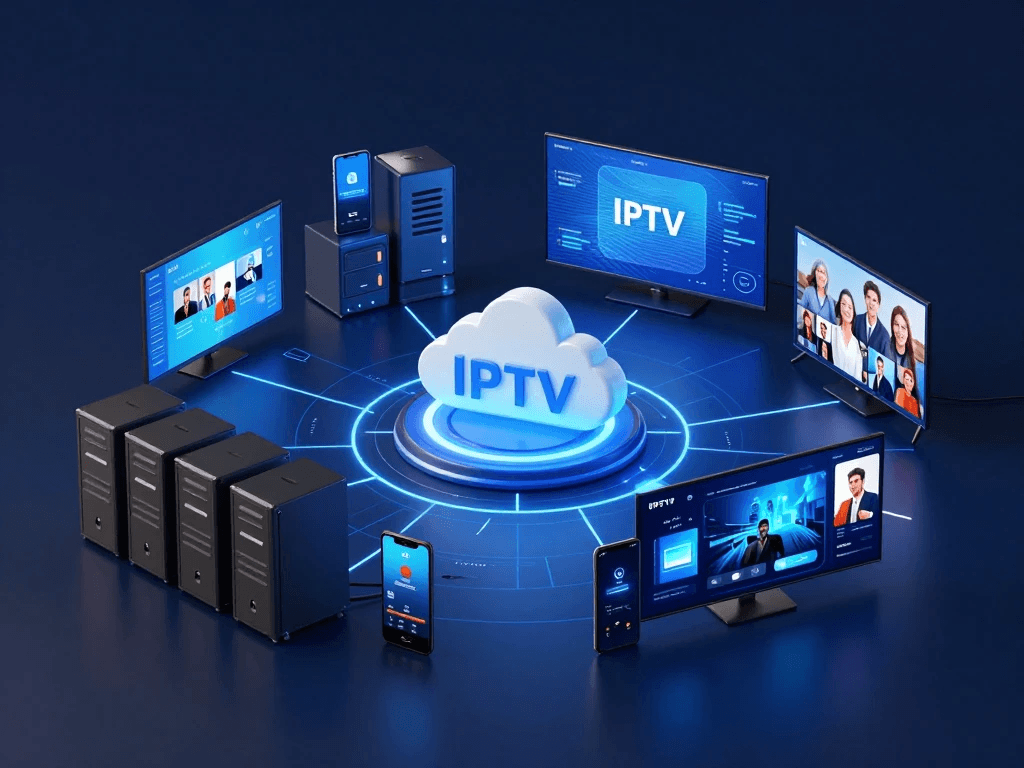
Once you understand what IPTV suppliers do, the next step is learning about the services they provide. Not every IPTV supplier offers the same features, and the right choice depends on your business goals, technical requirements, and target audience. If you plan to work with a licensed IPTV supplier, you’ll want to evaluate far more than the number of available channels. A reliable supplier should deliver a complete technology solution that ensures high-quality streaming, strong security, and room for future growth. Understanding these services will help you make informed decisions and avoid investing in a platform that cannot meet your long-term needs.
Live Television Delivery
One of the primary services offered by licensed IPTV suppliers is live television delivery. These suppliers provide the infrastructure needed to stream television programming over internet connections instead of traditional cable or satellite networks. A professional IPTV platform supports adaptive streaming, allowing viewers to receive the best possible video quality based on their internet speed. This helps reduce buffering and improves the viewing experience across multiple devices.
Businesses evaluating IPTV suppliers should look beyond channel quantity and focus on stream stability, latency, and overall reliability. A dependable platform consistently delivers smooth playback during peak viewing hours, including major sporting events and breaking news broadcasts.
Video-on-Demand (VOD) Libraries
Video-on-demand has become one of the most valuable features of modern streaming platforms. Instead of following fixed television schedules, viewers can watch movies, television series, documentaries, or educational content whenever they choose. IPTV suppliers often provide the technology needed to organize, categorize, and deliver large media libraries efficiently.
A high-quality VOD platform includes features such as searchable catalogs, personalized recommendations, resume playback, parental controls, and high-definition streaming. Businesses serving hospitality, education, or enterprise markets often rely on robust VOD capabilities to provide flexible viewing experiences for their users.
Electronic Program Guides (EPGs)
An Electronic Program Guide helps viewers browse available programming without confusion. Rather than scrolling through long channel lists, users can view schedules, upcoming broadcasts, and program descriptions in an intuitive interface.
Modern EPG systems may include:
- Search functionality
- Program reminders
- Genre filters
- Channel categories
- Multi-day scheduling
- Accessibility options
A well-designed guide improves the overall user experience and helps viewers discover new content more easily.
Multi-Device Compatibility
Consumers today expect seamless viewing across multiple devices. Whether someone starts watching on a smart TV and continues on a smartphone, the experience should remain consistent. IPTV suppliers therefore develop applications or APIs that support a wide range of hardware and operating systems.
Commonly supported platforms include:
- Smart TVs
- Android TV
- Apple TV
- Amazon Fire TV
- Smartphones
- Tablets
- Windows computers
- macOS devices
- Web browsers
Broad device compatibility allows businesses to reach larger audiences without requiring specialized equipment.
Cloud Infrastructure and Scalability
Cloud technology has become central to modern IPTV services. Instead of relying solely on physical servers located in one facility, many suppliers use cloud-based infrastructure that automatically scales according to demand. During periods of heavy traffic, additional computing resources can be allocated to maintain performance.
For growing businesses, cloud scalability offers several advantages:
| Feature | Business Benefit |
|---|---|
| Automatic scaling | Handles traffic spikes efficiently |
| Reduced downtime | Improves service availability |
| Lower hardware costs | Minimizes capital investment |
| Geographic redundancy | Supports disaster recovery |
| Faster deployment | Accelerates new service launches |
Cloud infrastructure also simplifies maintenance because software updates can often be deployed without extended service interruptions.
Benefits of Working with Professional IPTV Suppliers
Choosing a professional IPTV supplier involves much more than comparing prices. A reliable technology partner can improve customer satisfaction, reduce operational risks, and support long-term growth. Businesses that prioritize quality infrastructure often experience fewer technical issues and stronger customer retention.
Better Streaming Performance
Streaming quality directly influences how viewers perceive your service. Frequent buffering, poor image quality, or unexpected interruptions can quickly lead to customer dissatisfaction. Professional IPTV suppliers invest in high-performance servers, adaptive bitrate streaming, and optimized content delivery networks to improve reliability.
Key performance indicators include:
- High-definition playback
- Fast channel loading
- Minimal buffering
- Low latency
- Stable performance during peak usage
Monitoring these metrics helps businesses maintain a consistent viewing experience across different devices and internet connections.
Improved Reliability
Reliable infrastructure reduces the likelihood of service interruptions. Enterprise-grade IPTV platforms often use redundant servers, automated failover systems, and continuous monitoring to maintain high availability.
Important reliability features include:
- Multiple data centers
- Server redundancy
- Continuous monitoring
- Automated backups
- Disaster recovery planning
These measures help protect businesses from unexpected outages while improving customer confidence.
Enhanced Security
Cybersecurity has become increasingly important for streaming platforms. IPTV suppliers should implement appropriate security measures to protect user accounts, payment information, and streaming infrastructure.
Common security features include:
- Data encryption
- Secure authentication
- Multi-factor authentication
- Network monitoring
- Access controls
- Regular software updates
Strong security practices help reduce operational risks while protecting customer trust.
Easier Business Growth
Scalable technology allows businesses to expand without replacing their entire infrastructure. As subscriber numbers increase, additional resources can often be added with minimal disruption.
Scalability considerations include:
- Subscriber capacity
- Geographic expansion
- Additional storage
- Higher bandwidth
- New device support
- API integrations
Planning for future growth from the beginning can reduce long-term costs and simplify expansion.
How to Choose the Best IPTV Supplier
Selecting an IPTV supplier requires careful evaluation. Rather than making decisions based solely on marketing claims, develop a structured assessment process that compares technical capabilities, business practices, and customer support.
Evaluate Technical Performance
Reliable streaming begins with strong technical infrastructure. Before entering into any agreement, request information about uptime, network architecture, scalability, and monitoring procedures.
Questions to ask include:
- What uptime target does the platform maintain?
- How is traffic managed during peak demand?
- Is adaptive bitrate streaming supported?
- Are multiple geographic regions available?
- What monitoring tools are used?
These questions provide insight into the supplier’s operational maturity.
Review Customer Support
Responsive technical support becomes especially important when issues arise. Evaluate support availability, communication channels, and response times before committing to a long-term relationship.
Consider whether the supplier offers:
- Email support
- Live chat
- Phone assistance
- Knowledge bases
- Technical documentation
- Service status updates
Reliable support reduces downtime and improves operational efficiency.
Verify Legal Compliance
For businesses operating in the United States, compliance with copyright law and licensing requirements is essential. Before working with any IPTV supplier, verify that content distribution rights are properly obtained and documented where applicable.
Important considerations include:
- Content licensing
- Copyright compliance
- Privacy policies
- Terms of service
- Data protection practices
Working with properly licensed partners reduces legal risk and supports long-term business sustainability.
Compare Suppliers
A structured comparison makes decision-making easier.
| Evaluation Factor | Excellent Supplier | Average Supplier |
|---|---|---|
| Infrastructure | Enterprise-grade | Basic |
| Uptime | 99.9% target | Variable |
| Customer Support | 24/7 | Business hours only |
| Security | Advanced | Standard |
| Cloud Scalability | Yes | Limited |
| Technical Documentation | Comprehensive | Basic |
Creating a comparison matrix helps you evaluate suppliers objectively rather than relying on advertising claims.
Red Flags to Watch For
Not every IPTV supplier operates with the same level of professionalism. Before signing any agreement, look for warning signs that may indicate poor reliability or inadequate business practices.
Common red flags include:
- Unrealistic performance guarantees
- Lack of transparent pricing
- Limited technical documentation
- Poor customer reviews
- No published support process
- Unclear licensing information
- Frequent service interruptions
- Limited security practices
Identifying these issues early can help you avoid costly mistakes.
Key Takeaways
As you evaluate IPTV suppliers, focus on long-term value instead of short-term cost savings. Reliable infrastructure, strong security, responsive customer support, scalability, and legal compliance all contribute to a successful streaming platform. By carefully comparing potential suppliers against consistent evaluation criteria, you place your business in a stronger position to deliver dependable services while adapting to future technological developments.
Common Challenges in the IPTV Industry
As IPTV technology continues to grow in popularity, businesses and organizations must overcome several operational and technical challenges to deliver a high-quality streaming experience. Whether you operate a telecommunications company, a hospitality network, or an enterprise streaming platform, understanding these obstacles allows you to prepare effective solutions before they impact your users. Reliable IPTV services depend on robust infrastructure, skilled technical management, and continuous investment in network performance. By recognizing the most common challenges, you can develop strategies that improve service quality, increase customer satisfaction, and maintain a competitive advantage in the rapidly evolving streaming marketplace.
Network Congestion and Bandwidth Limitations
One of the most significant challenges facing IPTV platforms is maintaining smooth streaming during periods of heavy internet usage. Unlike traditional broadcast television, IPTV relies entirely on internet connectivity. When thousands of users stream content simultaneously, network congestion can reduce video quality, increase buffering, and create interruptions.
Businesses can reduce these issues by implementing adaptive bitrate streaming, using multiple Content Delivery Network (CDN) locations, and working with internet service providers to optimize bandwidth utilization. Regular network monitoring also helps identify bottlenecks before they affect viewers.
Best Practices
- Deploy geographically distributed CDN servers.
- Use adaptive bitrate streaming.
- Monitor network performance continuously.
- Plan capacity for peak viewing periods.
- Optimize server load balancing.
Latency During Live Streaming
Live sports, breaking news, and interactive broadcasts require extremely low latency. Even delays of a few seconds can negatively affect the viewer experience, especially when audiences compare IPTV broadcasts with traditional television or social media updates.
Reducing latency requires careful optimization throughout the streaming pipeline. IPTV operators often use low-latency streaming protocols, efficient video encoding, and edge computing technologies to shorten delivery times.
Maintaining low latency is particularly important for organizations broadcasting conferences, webinars, esports competitions, and live sporting events.
Cybersecurity Risks
Streaming platforms are frequent targets for cyberattacks because they manage user accounts, payment systems, and valuable digital content. Cybersecurity should therefore be a priority for every IPTV operator.
Common threats include:
- Unauthorized account access
- Distributed Denial-of-Service (DDoS) attacks
- Data breaches
- Malware
- Credential theft
- API abuse
Implementing strong encryption, multi-factor authentication, secure software development practices, and regular security audits helps protect both businesses and their customers.
Infrastructure Scalability
A successful IPTV platform must be able to grow without sacrificing performance. Subscriber numbers often increase rapidly after successful marketing campaigns or the launch of new content.
Scalable infrastructure enables organizations to:
- Support additional viewers.
- Expand into new regions.
- Increase storage capacity.
- Add new streaming servers.
- Launch additional services.
Cloud computing has simplified scalability by allowing businesses to allocate additional computing resources as demand increases.
Maintaining High Video Quality
Today’s viewers expect HD, Full HD, and increasingly 4K streaming quality. Delivering these resolutions consistently requires advanced encoding technologies, sufficient bandwidth, and reliable infrastructure.
Video quality depends on several factors:
| Factor | Impact on Viewer Experience |
|---|---|
| Bandwidth | Determines maximum resolution |
| Video Encoding | Balances quality and file size |
| CDN Performance | Reduces buffering |
| Server Capacity | Supports simultaneous users |
| Internet Stability | Affects playback consistency |
Organizations should continuously monitor video quality metrics to ensure a positive viewing experience.
IPTV Platforms vs Streaming Service Providers
Many people mistakenly use the terms IPTV platform and streaming service provider interchangeably. While both contribute to online television delivery, they serve different functions within the digital media ecosystem.
Understanding these differences helps businesses choose technology partners that align with their operational needs.
IPTV Platforms
An IPTV platform provides the underlying technology required to distribute television and video content over internet networks. It includes components such as streaming servers, middleware, user authentication systems, content management tools, and application interfaces.
Typical platform capabilities include:
- Content ingestion
- Video encoding
- Stream management
- Subscriber authentication
- Analytics
- Device compatibility
- Application programming interfaces (APIs)
These platforms often operate behind the scenes and support organizations that deliver streaming services to end users.
Streaming Service Providers
Streaming service providers are consumer-facing organizations that offer entertainment or educational content through subscription or advertising-supported business models.
Examples include services that deliver:
- Movies
- Television series
- Live sports
- Educational programming
- Children’s content
- Corporate communications
Rather than building infrastructure from scratch, many providers license or integrate commercial streaming technologies into their operations.
Comparison Table
| Feature | IPTV Platform | Streaming Service Provider |
|---|---|---|
| Streaming Infrastructure | ✔ | Limited |
| Consumer Subscription Management | Optional | ✔ |
| Video Processing | ✔ | Limited |
| Application Development | ✔ | Sometimes |
| Content Licensing | Sometimes | ✔ |
| Customer Marketing | No | ✔ |
| Analytics | ✔ | ✔ |
Although their responsibilities differ, both contribute to delivering high-quality streaming experiences.
Legal Considerations for IPTV in the United States
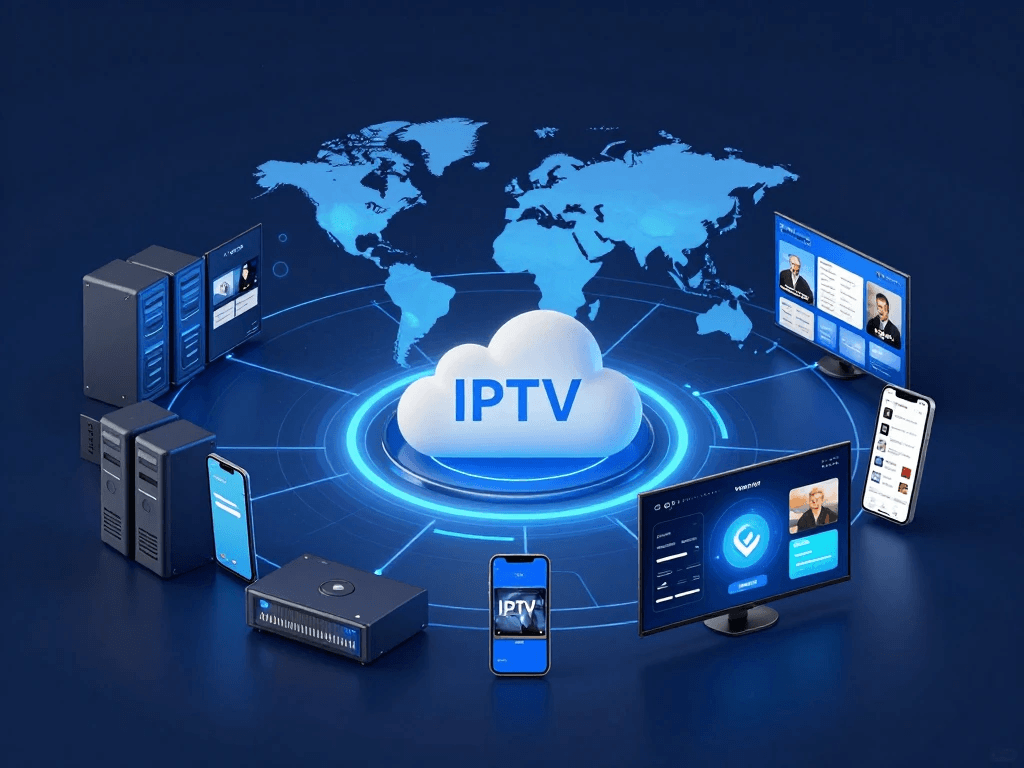
Legal compliance is one of the most important aspects of operating an IPTV service. Organizations distributing television programming or on-demand media must ensure they have the appropriate rights to distribute copyrighted content.
Understanding these legal responsibilities protects businesses from costly disputes while building trust with customers and content partners.
Copyright Licensing
Television programs, movies, sports broadcasts, and other media are protected by copyright law. Organizations must obtain permission from rights holders before distributing copyrighted material through IPTV platforms.
Content licensing agreements typically define:
- Geographic distribution rights
- Duration of the license
- Supported devices
- Audience restrictions
- Revenue-sharing arrangements
Working only with properly licensed content helps businesses maintain compliance and support the creative industries that produce television programming.
Digital Millennium Copyright Act (DMCA)
In the United States, the Digital Millennium Copyright Act (DMCA) establishes legal frameworks for protecting copyrighted digital content.
Organizations operating online streaming services should understand:
- Copyright infringement procedures
- Takedown notice requirements
- Safe harbor provisions
- Repeat infringer policies
Developing clear copyright compliance procedures reduces legal risk and demonstrates responsible business practices.
Privacy and Data Protection
Streaming platforms collect user information to provide personalized services, billing, and customer support. Organizations should implement transparent privacy practices that explain how personal information is collected, stored, and used.
Key considerations include:
- Secure data storage
- User consent
- Privacy policies
- Encryption
- Access controls
- Incident response planning
Responsible data management helps strengthen customer confidence while supporting compliance with applicable privacy laws.
Terms of Service
Every IPTV service should publish clear Terms of Service that explain user responsibilities, acceptable use policies, subscription terms, refund procedures, and dispute resolution processes.
Well-written terms help establish expectations between service providers and customers while reducing misunderstandings.
Important topics include:
- Account eligibility
- Payment policies
- Cancellation procedures
- Intellectual property rights
- User conduct
- Service limitations
Clear documentation contributes to a more professional customer experience.
Industries That Use IPTV Technology
IPTV is no longer limited to home entertainment. Organizations across numerous industries use IPTV technology to improve communication, enhance customer experiences, and distribute digital content efficiently.
Hospitality
Hotels increasingly use IPTV systems to provide guests with modern entertainment options. Instead of relying on traditional cable television, many properties offer interactive television platforms that include live channels, on-demand movies, hotel information, dining menus, and local travel recommendations.
Benefits for hotels include:
- Personalized guest experiences
- Reduced maintenance
- Centralized content management
- Upselling opportunities
- Digital concierge services
Interactive IPTV solutions also support multilingual interfaces for international travelers.
Healthcare
Hospitals and healthcare facilities use IPTV technology to improve patient comfort and communication. Patients can access entertainment, educational materials, hospital announcements, and wellness resources directly from bedside televisions.
Healthcare IPTV platforms may include:
- Patient education videos
- Entertainment programming
- Appointment information
- Dietary guidance
- Hospital announcements
These services help improve the overall patient experience while reducing printed materials.
Education
Schools, colleges, and universities increasingly rely on IPTV to distribute educational content across campuses.
Common applications include:
- Lecture streaming
- Distance learning
- Campus announcements
- Emergency notifications
- Research presentations
- Digital signage
Educational IPTV systems support both in-person and remote learning environments while improving accessibility.
Corporate Communications
Large businesses use IPTV to distribute internal communications across offices located in multiple cities or countries.
Corporate IPTV applications include:
- CEO presentations
- Employee training
- Company announcements
- Live town hall meetings
- Product launches
- Digital signage
Centralized video distribution improves communication while reducing travel expenses.
Government Facilities
Government agencies use secure IPTV networks for internal communications, training, and public information displays.
Typical applications include:
- Emergency alerts
- Legislative broadcasts
- Training programs
- Public information channels
- Internal communications
Security and reliability remain essential priorities within government environments.
Airports and Transportation
Transportation hubs use IPTV systems to display real-time travel information while also providing entertainment to passengers.
Common uses include:
- Flight information displays
- Boarding announcements
- Emergency messaging
- Advertising
- News broadcasts
- Passenger entertainment
Centralized management allows operators to update information instantly across multiple displays.
Sports Venues
Modern stadiums and arenas rely on IPTV technology to enhance the fan experience. High-definition displays throughout the venue provide live game coverage, instant replays, concession information, and sponsor advertisements.
Benefits include:
- Improved fan engagement
- Real-time statistics
- Dynamic advertising
- Wayfinding information
- Event announcements
IPTV helps create immersive experiences that extend beyond the action on the field.
Key Takeaways
IPTV technology continues to expand across multiple industries because it offers flexibility, scalability, and efficient digital content delivery. However, long-term success depends on overcoming technical challenges, maintaining secure infrastructure, complying with copyright and privacy laws, and selecting technology platforms that support future growth. Whether you operate in hospitality, healthcare, education, transportation, or enterprise communications, understanding these considerations helps you implement IPTV solutions that provide lasting value for both your organization and your users.
Future Trends Shaping the IPTV Industry
The IPTV industry continues to evolve as internet infrastructure, cloud computing, and consumer viewing habits change. Organizations that invest in IPTV technology today must also prepare for tomorrow’s innovations. Whether you’re a telecommunications company, hotel operator, educational institution, healthcare provider, or enterprise business, understanding future trends helps you make technology decisions that remain valuable for years to come. The next generation of IPTV will focus on personalization, higher-quality video, stronger security, improved reliability, and seamless integration with connected devices. Keeping pace with these developments allows your organization to deliver better viewing experiences while remaining competitive in an increasingly digital marketplace.
Artificial Intelligence and Personalized Viewing
Artificial intelligence (AI) is transforming how viewers discover and consume content. Rather than displaying the same recommendations to everyone, AI analyzes viewing habits, preferences, and engagement patterns to suggest relevant programming.
Modern IPTV platforms increasingly use AI to:
- Recommend movies and television shows
- Personalize home screens
- Improve search results
- Detect unusual account activity
- Optimize video delivery
- Predict bandwidth requirements
For businesses, AI-powered analytics also provide valuable insights into customer behavior, helping improve programming decisions and user satisfaction.
Cloud-Native IPTV Platforms
Cloud computing has already changed IPTV infrastructure, but cloud-native architectures are becoming the new industry standard. Instead of simply hosting traditional software in the cloud, cloud-native IPTV platforms are built specifically for distributed computing environments.
Advantages include:
| Cloud-Native Feature | Business Benefit |
|---|---|
| Automatic scaling | Supports traffic spikes |
| Faster software updates | Reduces downtime |
| Geographic redundancy | Improves reliability |
| Lower infrastructure costs | Better ROI |
| Disaster recovery | Improved business continuity |
Cloud-native deployment allows organizations to introduce new features faster while maintaining consistent performance.
Growth of 4K and 8K Streaming
Consumer demand for higher-resolution video continues to increase. While HD remains common, many streaming platforms now support 4K Ultra HD, and manufacturers are preparing for broader 8K adoption.
Higher resolutions require:
- Faster internet connections
- Efficient video codecs
- Larger storage capacity
- Powerful streaming servers
- Optimized CDNs
Organizations planning long-term IPTV deployments should ensure their infrastructure can support increasing bandwidth demands.
Low-Latency Streaming
Reducing streaming delay has become a major priority, especially for live sports, esports, corporate events, and interactive broadcasts.
Low-latency technologies help:
- Reduce broadcast delays
- Improve viewer engagement
- Support live auctions
- Enhance online education
- Enable interactive experiences
As internet infrastructure improves across the United States, viewers will increasingly expect near real-time streaming.
Smart Home Integration
Connected homes continue to expand through voice assistants, smart displays, and Internet of Things (IoT) devices. IPTV platforms are becoming part of these ecosystems by integrating with smart home technologies.
Potential integrations include:
- Voice-controlled channel navigation
- Smart speaker compatibility
- Automated parental controls
- Personalized user profiles
- Home automation routines
These capabilities improve convenience while creating more seamless entertainment experiences.
Interactive Television
Traditional television is evolving into an interactive digital experience. Rather than simply watching content, viewers increasingly expect opportunities to engage directly with programming.
Examples include:
- Interactive sports statistics
- Live polls
- Educational quizzes
- Multiple camera angles
- Personalized advertisements
- Real-time shopping experiences
Interactive features increase viewer engagement while creating new opportunities for content providers.
Expert Tips for Choosing an IPTV Technology Partner
Selecting the right technology partner requires careful planning. Instead of focusing exclusively on pricing, evaluate long-term performance, scalability, security, and support.
The following best practices can help guide your decision-making process.
Define Your Business Requirements
Before comparing platforms, clearly identify your objectives.
Consider questions such as:
- Who is your target audience?
- How many users will you support?
- Which devices should be compatible?
- Will you offer live content, VOD, or both?
- What level of customer support is required?
Documenting your requirements simplifies vendor comparisons.
Prioritize Scalability
Technology should support future growth without requiring major infrastructure changes.
Look for platforms offering:
- Cloud deployment
- Automatic scaling
- API integrations
- Modular architecture
- Flexible storage
Scalable systems reduce long-term operating costs while supporting business expansion.
Evaluate Security Practices
Security should be integrated throughout the platform rather than added later.
Key evaluation areas include:
- Encryption
- Identity management
- Access controls
- Security monitoring
- Software update policies
- Backup procedures
Organizations handling customer information should prioritize vendors with mature cybersecurity programs.
Review Technical Documentation
Comprehensive documentation reduces implementation time and simplifies ongoing maintenance.
Helpful resources include:
- API documentation
- Deployment guides
- Administrator manuals
- User documentation
- Knowledge bases
- Troubleshooting guides
Good documentation also improves staff training.
Test Before Deployment
Whenever possible, conduct pilot deployments before launching organization-wide services.
Testing should evaluate:
- Streaming quality
- Device compatibility
- Network performance
- Administrative tools
- Reporting features
- User experience
Small-scale testing often identifies issues before they affect larger audiences.
IPTV Implementation Checklist
Use the following checklist when planning an IPTV deployment.
| Task | Status |
|---|---|
| Define project objectives | □ |
| Evaluate infrastructure | □ |
| Confirm content rights | □ |
| Test streaming quality | □ |
| Review security policies | □ |
| Verify scalability | □ |
| Prepare staff training | □ |
| Develop support procedures | □ |
| Publish privacy policy | □ |
| Monitor system performance | □ |
Following a structured implementation plan reduces deployment risks and improves long-term success.
Frequently Asked Questions About IPTV
What is IPTV?
Internet Protocol Television (IPTV) is a method of delivering television programming and video content over internet networks instead of traditional cable or satellite systems. IPTV supports live television, video-on-demand, and interactive streaming experiences across multiple connected devices.
How does IPTV differ from traditional television?
Traditional television broadcasts content through cable, satellite, or terrestrial signals. IPTV delivers digital video using internet protocols, allowing greater flexibility, personalization, and compatibility with connected devices.
Is IPTV legal in the United States?
Yes. IPTV technology itself is legal. However, organizations distributing copyrighted television programming or movies must obtain the appropriate licenses and permissions from rights holders. Compliance with copyright law is essential for lawful operation.
Which industries commonly use IPTV?
Many industries rely on IPTV technology, including:
- Hospitality
- Healthcare
- Higher education
- Corporate communications
- Government
- Transportation
- Telecommunications
- Sports venues
Each industry uses IPTV differently depending on operational needs.
What internet speed is recommended for IPTV?
Internet speed requirements depend on video quality.
General recommendations include:
| Resolution | Recommended Speed |
|---|---|
| SD | 3–5 Mbps |
| HD | 5–10 Mbps |
| Full HD | 10–20 Mbps |
| 4K UHD | 25 Mbps or higher |
Actual performance also depends on network quality and the number of simultaneous users.
What devices support IPTV?
Most modern IPTV platforms support:
- Smart TVs
- Streaming media players
- Smartphones
- Tablets
- Desktop computers
- Laptop computers
- Set-top boxes
- Web browsers
Device compatibility varies by platform.
Can IPTV support live events?
Yes. IPTV technology is widely used to distribute live sporting events, conferences, webinars, educational broadcasts, and corporate meetings. Low-latency streaming technologies continue to improve real-time viewing experiences.
What is adaptive bitrate streaming?
Adaptive bitrate streaming automatically adjusts video quality based on the viewer’s internet connection. This technology minimizes buffering while maintaining the best possible viewing experience.
Why are CDNs important?
Content Delivery Networks (CDNs) distribute content through geographically dispersed servers, reducing latency and improving streaming reliability for users in different regions.
How can organizations improve IPTV security?
Recommended practices include:
- Strong encryption
- Multi-factor authentication
- Regular software updates
- Continuous monitoring
- Network segmentation
- Employee cybersecurity training
Security should be treated as an ongoing process rather than a one-time implementation.
Conclusion
IPTV has become one of the most significant developments in modern digital media distribution. By combining internet connectivity with advanced streaming technologies, IPTV enables organizations to deliver flexible, high-quality video experiences across a wide variety of industries. From hotels and hospitals to universities, enterprises, and telecommunications providers, IPTV supports more engaging, efficient, and scalable communication and entertainment services.
As the industry evolves, organizations should focus on cloud-native infrastructure, cybersecurity, artificial intelligence, low-latency streaming, and compliance with copyright and privacy regulations. Building an IPTV strategy around these principles helps ensure long-term success while meeting the expectations of today’s connected audiences.
Whether you are planning a new deployment or upgrading an existing platform, careful planning, strong technology partnerships, and a commitment to continuous improvement will position your organization for sustainable growth in the years ahead.
Call to Action
Ready to explore how IPTV technology can support your organization? Start by clearly defining your business goals, evaluating your infrastructure requirements, and comparing technology platforms based on scalability, security, reliability, and user experience—not just cost. As you move forward, prioritize licensed content, strong technical support, and future-ready architecture to build a streaming solution that can grow with your needs. Staying informed about industry trends and best practices will help you make confident decisions and deliver exceptional viewing experiences.