
Introduction

Have you ever settled in to watch a highly anticipated sporting event, the latest episode of your favorite series, or an exciting movie night, only to be interrupted by constant buffering? If so, you’re not alone. One of the biggest frustrations among streaming enthusiasts is unreliable service that disrupts the viewing experience.
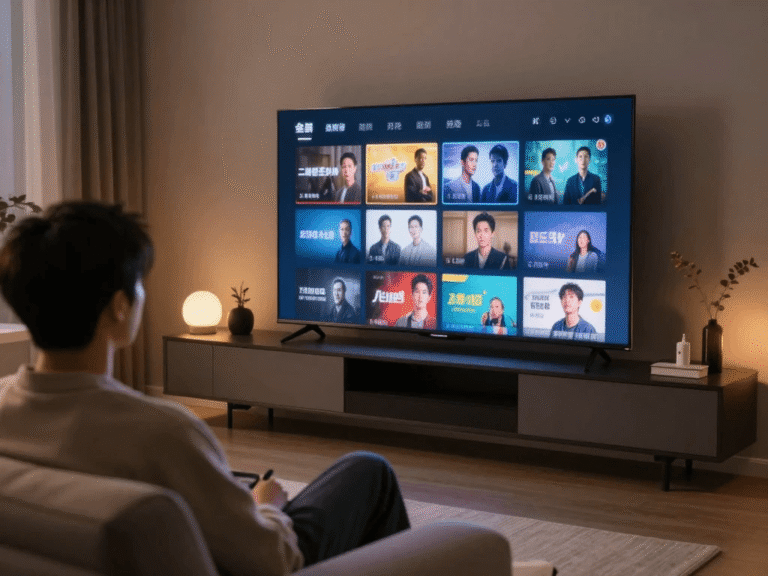
As traditional cable subscriptions continue to decline, more viewers are turning to IPTV providers for affordable, flexible, and content-rich entertainment options. IPTV, or Internet Protocol Television, allows you to stream television content through an internet connection rather than relying on satellite signals or cable infrastructure.
However, not all IPTV providers deliver the same level of performance. While some offer excellent picture quality, lightning-fast channel loading, and reliable uptime, others struggle with buffering, server outages, and poor customer support.
Choosing the right IPTV provider can make the difference between a seamless entertainment experience and constant frustration. In this comprehensive guide, you’ll discover how IPTV works, what features matter most, how to evaluate service quality, and which characteristics separate top-rated IPTV providers from the competition.
Whether you’re a sports fan, movie enthusiast, international viewer, or someone simply looking to cut the cord and save money, this guide will help you make an informed decision.
Table of Contents
What Are IPTV Providers and How Do They Work?
IPTV stands for Internet Protocol Television. Instead of receiving television signals through traditional cable lines or satellite dishes, IPTV delivers content through your internet connection.
In simple terms, IPTV providers act as digital broadcasters. They use internet protocols to transmit television channels, video-on-demand content, and live events directly to your devices.
Unlike traditional broadcasting methods, IPTV allows you to watch content whenever and wherever you want, provided you have an internet connection.
How IPTV Technology Works
Traditional television uses broadcasting methods where signals are transmitted simultaneously to all viewers. IPTV operates differently.
When you select a channel or program:
- Your device sends a request to the IPTV server.
- The server processes the request.
- The content is streamed directly to your device.
- Playback begins almost instantly.
This on-demand delivery model provides greater flexibility and efficiency.
Components of IPTV Systems
Most IPTV services rely on several key components:
- Content acquisition systems
- Encoding and compression technologies
- Content delivery networks (CDNs)
- Streaming servers
- User applications and interfaces
Each component contributes to the overall streaming experience.
Types of IPTV Services
Live Television
Live TV streaming allows you to watch channels in real time, similar to traditional cable services.
Popular categories include:
- Sports channels
- News networks
- Entertainment channels
- International broadcasts
- Kids programming
Video On Demand (VOD)
VOD libraries allow you to choose content whenever you want.
Examples include:
- Movies
- TV series
- Documentaries
- Educational content
Catch-Up TV
Catch-up services let you watch previously aired programs that you may have missed.
This feature has become increasingly popular among busy viewers.
Advantages of Using IPTV Providers
The popularity of IPTV providers continues to grow because they offer numerous advantages over traditional television services.
Greater Flexibility
One of the biggest benefits is flexibility.
You can watch content on:
- Smart TVs
- Android devices
- iPhones
- Tablets
- Laptops
- Desktop computers
- Streaming devices
You’re no longer tied to a single television set.
Lower Costs
Many consumers switch to IPTV because it often costs significantly less than traditional cable subscriptions.
Potential savings include:
- Lower monthly fees
- No equipment rental costs
- Fewer installation charges
- Customizable subscription options
Extensive Content Libraries
Many IPTV providers offer thousands of channels and large VOD collections.
This means you can access:
- Local channels
- International channels
- Sports networks
- Premium entertainment channels
- Movies and TV shows
Improved Accessibility
Whether you’re traveling, working remotely, or moving internationally, IPTV allows you to maintain access to your preferred content.
This is especially valuable for expatriates and international viewers.
Why Connection Stability Matters When Choosing IPTV Providers
Many people focus solely on channel numbers when comparing IPTV services. While content selection is important, connection stability often has a much greater impact on your overall viewing experience.
Imagine having access to 20,000 channels but experiencing constant buffering during important events. The value quickly disappears.
Reliable streaming depends heavily on stability.
What Is IPTV Stability?
Stability refers to the consistency of the streaming connection.
A stable IPTV provider offers:
- Minimal buffering
- Fast channel switching
- Consistent video quality
- Reliable uptime
- Smooth playback
Consequences of Poor Stability
Unstable IPTV services can cause:
Frequent Buffering
Buffering occurs when the stream cannot download content quickly enough for uninterrupted playback.
Channel Freezing
Some channels may freeze unexpectedly.
Audio Synchronization Problems
Audio and video may become out of sync.
Service Interruptions
Entire services may become unavailable during peak viewing periods.
Factors That Affect IPTV Streaming Quality
Several technical factors influence streaming performance.
Understanding these factors can help you evaluate IPTV providers more effectively.
Internet Speed
Your internet connection plays a major role.
Recommended Internet Speeds
| Streaming Quality | Minimum Speed | Recommended Speed |
|---|---|---|
| SD | 5 Mbps | 10 Mbps |
| HD | 10 Mbps | 20 Mbps |
| Full HD | 15 Mbps | 30 Mbps |
| 4K UHD | 25 Mbps | 50+ Mbps |
While IPTV providers can optimize performance, they cannot overcome severe bandwidth limitations.
Server Infrastructure
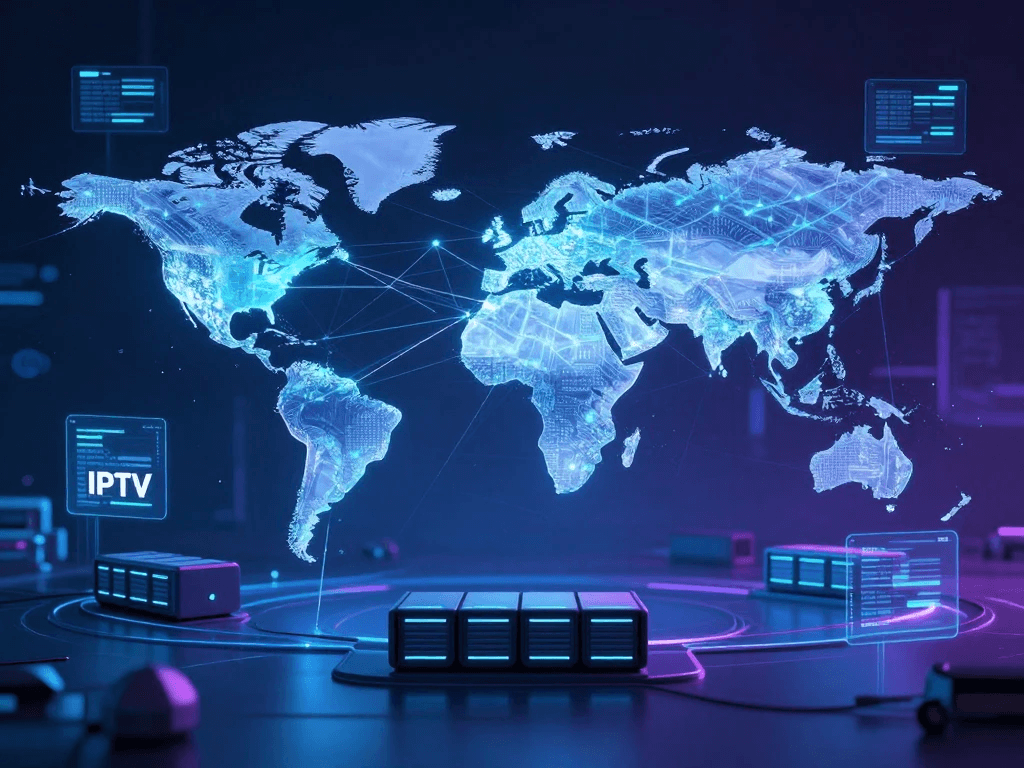
Quality IPTV providers invest heavily in server infrastructure.
Reliable servers offer:
- Faster response times
- Lower latency
- Improved uptime
- Better load balancing
Content Delivery Networks (CDNs)
CDNs distribute content across multiple geographic locations.
Benefits include:
- Reduced buffering
- Faster delivery
- Better global performance
- Improved redundancy
Geographic Distance
The closer you are to a provider’s server, the lower the latency.
This often results in:
- Faster loading times
- Better stream quality
- Reduced buffering
Device Compatibility
Your streaming device also affects performance.
Modern devices generally provide:
- Better decoding capabilities
- Faster processing speeds
- Improved user interfaces
Top-Rated IPTV Providers for Stable and Fast Connections
When evaluating IPTV providers, focus on several critical criteria rather than simply selecting the cheapest option.
Evaluation Criteria
Professional reviewers typically examine:
- Server reliability
- Channel availability
- Video quality
- Uptime percentages
- Customer support
- Device compatibility
- Subscription value
Let’s explore the characteristics that define top-rated IPTV providers.
IPTV Provider Category #1: Premium Performance Services
Premium IPTV services prioritize reliability above all else.
Typical Features
- Ultra-fast servers
- Extensive channel libraries
- Multiple backup servers
- Advanced anti-freeze technology
- 24/7 support
Advantages
- Exceptional uptime
- Fast channel loading
- High-definition streams
- Consistent performance
Potential Drawbacks
- Higher subscription costs
- More limited promotional offers
Best For
Premium services are ideal if you:
- Watch live sports regularly
- Stream in 4K resolution
- Require maximum reliability
IPTV Provider Category #2: International Content Specialists
Some IPTV providers focus heavily on global content.
Common Features
- Regional channel packages
- Multilingual interfaces
- International sports coverage
- Country-specific content
Advantages
- Access to overseas programming
- Diverse channel selections
- Broad language support
Potential Drawbacks
- Variable performance depending on region
- Limited local content in some markets
Best For
These services work well for:
- Expats
- Multilingual households
- International sports fans
IPTV Provider Category #3: Budget-Friendly IPTV Services
Budget-focused providers aim to maximize value.
Common Features
- Affordable subscriptions
- Basic VOD libraries
- Standard HD streaming
Advantages
- Low monthly costs
- Easy setup
- Wide accessibility
Potential Drawbacks
- Smaller support teams
- Lower uptime consistency
- Fewer premium features
Best For
Budget IPTV providers are suitable if you:
- Are new to IPTV
- Have modest viewing needs
- Prioritize affordability
Comparison Table: What to Look for in IPTV Providers
When comparing IPTV providers, use the following framework.
| Feature | Importance Level | Why It Matters |
|---|---|---|
| Uptime | Very High | Prevents interruptions |
| Channel Selection | High | Content variety |
| VOD Library | Medium | Additional entertainment |
| Device Compatibility | High | Viewing flexibility |
| Customer Support | High | Faster issue resolution |
| Free Trial | Medium | Risk-free testing |
| Streaming Quality | Very High | Better viewing experience |
| Price | High | Overall value |
This comparison framework can help you avoid making decisions based solely on marketing claims.
Features to Look for in IPTV Providers
Before subscribing to any IPTV service, carefully evaluate its feature set.
The most reliable IPTV providers consistently excel in several important areas.
Channel Selection
The size and quality of the channel lineup matter significantly.
Look for providers offering:
- Sports networks
- Entertainment channels
- News stations
- Kids programming
- International content
- Premium movie channels
However, quality matters more than quantity.
A stable collection of 5,000 channels is often preferable to an unreliable library of 25,000 channels.
Features to Look for in IPTV Providers (Continued)
Video Quality
One of the primary reasons viewers switch from traditional television to IPTV is the promise of better picture quality. However, not every IPTV provider delivers the same viewing experience.
The best IPTV providers offer multiple streaming resolutions to accommodate different internet speeds and device capabilities.
Common Video Quality Options
| Resolution | Quality Level | Recommended Internet Speed |
|---|---|---|
| SD (480p) | Basic | 5–10 Mbps |
| HD (720p) | Good | 10–15 Mbps |
| Full HD (1080p) | Excellent | 15–30 Mbps |
| 4K UHD | Premium | 25–50+ Mbps |
Why Video Quality Matters
Higher resolutions provide:
- Sharper images
- Better color accuracy
- Improved sports viewing
- Enhanced movie experiences
- Greater detail on large screens
If you own a 4K television, choosing IPTV providers that support Ultra HD streaming can significantly improve your viewing experience.
Adaptive Bitrate Streaming
Top-rated IPTV providers often use adaptive bitrate technology.
This feature automatically adjusts stream quality based on your internet connection, reducing interruptions and buffering during network fluctuations.
Device Compatibility
A major advantage of IPTV is the ability to watch content across multiple devices.
Before subscribing, verify that the IPTV provider supports your preferred devices.
Popular Supported Devices
Smart TVs
Many IPTV providers support:
- Samsung Smart TVs
- LG Smart TVs
- Android TVs
- Google TV platforms
Streaming Devices
Popular options include:
- Amazon Fire TV Stick
- Apple TV
- Roku devices
- Chromecast
Mobile Devices
Most services provide compatibility with:
- Android smartphones
- Android tablets
- iPhones
- iPads
Computers
You can typically access IPTV services on:
- Windows PCs
- Mac computers
- Linux systems
Multi-Device Streaming
Some IPTV providers allow simultaneous streaming on multiple devices.
This feature is especially useful for families where different members watch different content at the same time.
Customer Support
Many consumers overlook customer support until problems arise.
When evaluating IPTV providers, consider how quickly and effectively they handle customer issues.
Support Channels
Reliable providers usually offer:
- Live chat support
- Email assistance
- Ticket systems
- Knowledge bases
- Setup guides
Indicators of Good Customer Support
Look for providers that offer:
- Fast response times
- Detailed setup instructions
- Troubleshooting resources
- Active customer service teams
Why Support Matters
Even excellent IPTV services occasionally experience issues.
Responsive support can help resolve:
- Login problems
- Setup difficulties
- Channel outages
- Billing questions
- Device compatibility concerns

How to Test IPTV Providers Before Subscribing
One of the smartest ways to avoid disappointment is to thoroughly test IPTV providers before committing to a long-term subscription.
Many quality services offer free trials or low-cost trial periods.
Step 1: Request a Trial
A trial allows you to evaluate:
- Channel availability
- Video quality
- User interface
- Stability
Avoid providers that refuse to offer any form of testing period.
Step 2: Test During Peak Hours
Peak viewing times often reveal weaknesses in server infrastructure.
Test your service during:
- Evening hours
- Weekends
- Major sporting events
- Popular television premieres
If performance remains stable during these periods, it’s usually a positive sign.
Step 3: Check Channel Loading Speed
Fast channel switching contributes to a better user experience.
Evaluate:
- Initial startup time
- Channel transition speed
- Menu responsiveness
Top IPTV providers often load channels within a few seconds.
Step 4: Monitor Buffering
Pay attention to:
- Buffer frequency
- Playback interruptions
- Stream freezing
Consistent playback indicates strong server performance.
Step 5: Evaluate Multiple Devices
Test the service across:
- Smartphones
- Smart TVs
- Tablets
- Streaming devices
This helps ensure compatibility with your preferred viewing methods.
Step 6: Explore the VOD Library
If video-on-demand content is important to you, assess:
- Content variety
- Search functionality
- Loading speeds
- Playback reliability
IPTV Testing Checklist
Use the following checklist when comparing IPTV providers.
| Test Category | Pass/Fail |
|---|---|
| Fast Channel Loading | |
| HD Streaming Quality | |
| Minimal Buffering | |
| Responsive Interface | |
| Multi-Device Compatibility | |
| Reliable Sports Streams | |
| VOD Performance | |
| Customer Support Response | |
| Stable Peak-Hour Performance |
Completing this checklist can help you make a more informed decision.
Common Problems with IPTV Providers and How to Avoid Them
Even the best IPTV providers can occasionally experience technical challenges.
Understanding these issues can help you troubleshoot problems more effectively.
Buffering
Buffering remains the most common IPTV complaint.
Causes of Buffering
- Slow internet speeds
- Server overload
- Wi-Fi interference
- Network congestion
Solutions
- Upgrade your internet plan
- Use Ethernet connections
- Restart networking equipment
- Choose providers with stronger infrastructure
Channel Freezing
Frozen channels can result from:
- Server instability
- Temporary outages
- Weak connections
How to Fix It
Try:
- Refreshing the stream
- Restarting the application
- Switching servers if available
- Contacting customer support
Audio and Video Sync Issues
Synchronization problems may occur due to:
- Device limitations
- Stream encoding issues
- Application bugs
Troubleshooting Steps
- Restart playback
- Update software
- Use a different media player
- Check device performance
Login Problems
Login issues are typically caused by:
- Incorrect credentials
- Expired subscriptions
- Server maintenance
Solutions
- Verify login information
- Check account status
- Contact support
Device Compatibility Issues
Not all IPTV applications work equally well on every device.
Best Practices
- Use recommended applications
- Keep devices updated
- Verify compatibility before subscribing
IPTV Providers vs Cable TV: Which Is Better?
Many consumers considering IPTV are looking to replace traditional cable services.
Let’s compare the two options.
Cost Comparison
One of IPTV’s biggest advantages is affordability.
| Feature | IPTV Providers | Traditional Cable |
|---|---|---|
| Monthly Cost | Typically Lower | Typically Higher |
| Equipment Fees | Usually Minimal | Often Required |
| Installation Fees | Rare | Common |
| Contract Requirements | Often Flexible | Frequently Required |
For many households, IPTV can significantly reduce entertainment expenses.
Content Flexibility
IPTV generally offers greater flexibility.
IPTV Advantages
- On-demand content
- Mobile viewing
- International channels
- Multi-device access
Cable Advantages
- Simpler setup
- Established infrastructure
- Local service availability
Installation Process
Cable television often requires:
- Technician appointments
- Hardware installations
- Long-term agreements
IPTV usually requires:
- Internet access
- Compatible device
- App installation
This simplicity appeals to many modern consumers.
Viewing Experience
The quality of your experience depends heavily on your internet connection.
With a strong connection, IPTV can provide:
- HD streaming
- Full HD streaming
- 4K content
- On-demand libraries
Many users find IPTV more versatile than traditional cable.
Security and Privacy Considerations When Using IPTV Providers
When selecting IPTV providers, security should never be ignored.
Protecting your personal information is just as important as obtaining quality streams.
Account Security
Choose providers that offer:
- Secure login systems
- Strong password requirements
- Account management tools
Best Practices
You should:
- Use unique passwords
- Avoid password sharing
- Update credentials regularly
Payment Security
Reliable IPTV providers typically support secure payment methods.
Look for:
- Encrypted payment processing
- Trusted payment gateways
- Transparent billing practices
Avoid services that request unusual payment methods without clear explanations.
Data Privacy
Review privacy policies carefully.
Pay attention to:
- Data collection practices
- User tracking policies
- Information sharing agreements
Transparent providers are generally more trustworthy.
Network Security Tips
Protect your home network by:
- Updating routers regularly
- Using strong Wi-Fi passwords
- Securing connected devices
- Installing security updates
These measures help improve overall streaming safety.
How to Choose the Best IPTV Provider for Your Needs
There is no single IPTV provider that is perfect for everyone.
Your ideal choice depends on your viewing habits, budget, and priorities.
In the next section, you’ll learn how to identify the best IPTV provider based on your specific needs, compare key decision factors, explore advanced IPTV features, review expert recommendations, and discover the final verdict on selecting a reliable service for stable and fast streaming.
How to Choose the Best IPTV Provider for Your Needs
Choosing among different IPTV providers is not just about finding the cheapest subscription or the largest channel list. It’s about matching a service to your personal viewing habits, devices, and expectations.
If you want a smooth, frustration-free experience, you need to evaluate IPTV providers based on real-world use—not just marketing claims.
Step 1: Identify Your Viewing Needs
Before comparing providers, ask yourself what you actually watch most often.
If You Are a Sports Fan
You should prioritize:
- Stable live streaming (no buffering during matches)
- Low latency (minimal delay)
- Reliable HD or 4K quality
- Access to international sports channels
If You Are a Movie Lover
Focus on:
- Large Video On Demand (VOD) library
- Latest movie releases
- Series collections
- Fast search functionality
If You Watch International Content
Look for:
- Multi-language support
- Regional channel packages
- Global sports coverage
- Country-specific programming
If You Are a Family User
You need:
- Multi-device streaming support
- Kids channels
- Parental controls
- Stable simultaneous streams
Step 2: Evaluate Reliability Over Quantity
Many IPTV providers advertise tens of thousands of channels. However, more is not always better.
What Matters More:
- Uptime (99%+ ideal)
- Server stability
- Stream consistency
- Real channel availability
A smaller but stable lineup is always better than a massive but unreliable one.
Step 3: Check for Free Trials and Refund Policies
A trustworthy IPTV provider usually allows you to test the service before committing.
Look for:
- 24–48 hour free trials
- Low-cost test subscriptions
- Clear refund policies
Warning Sign:
If a provider refuses any testing option, you should be cautious.
Step 4: Compare Device Ecosystems
Your IPTV experience depends heavily on how well it integrates with your devices.
Ask yourself:
- Does it work on your Smart TV?
- Is there a dedicated app?
- Can you use it on Firestick or Android TV?
- Is mobile streaming smooth?
Compatibility ensures you can enjoy content anywhere.
Advanced IPTV Features That Improve Your Experience
Top-tier IPTV providers don’t just offer channels—they enhance your entire viewing experience with advanced features.
Cloud DVR (Digital Video Recording)
Some IPTV providers offer cloud-based recording.
Benefits:
- Record live TV
- Watch later at your convenience
- Store content in the cloud
- No physical hardware needed
Multi-Screen Viewing
This feature allows you to watch multiple channels at the same time.
Ideal For:
- Sports fans watching multiple games
- Families with different viewing preferences
- News monitoring
Electronic Program Guide (EPG)
EPG is a digital TV guide that shows scheduled programming.
Features:
- Program schedules
- Channel navigation
- Upcoming shows
- Time-based browsing
A well-designed EPG improves usability significantly.
Anti-Freeze Technology
High-quality IPTV providers use anti-freeze systems to improve stability.
Benefits:
- Reduced buffering
- Stable live streaming
- Better peak-hour performance
VPN Compatibility
Some IPTV users prefer using VPNs for privacy or access reasons.
A good IPTV provider should:
- Allow VPN usage
- Not block VPN traffic
- Maintain stable performance with VPN enabled
Expert IPTV Buying Guide (Step-by-Step)
To make your decision easier, follow this expert-tested process.
Step 1: Shortlist Providers
Start with 3–5 IPTV providers that meet your basic requirements.
Step 2: Test Each One
Use trials to evaluate:
- Stream quality
- Channel speed
- Device compatibility
- Customer support responsiveness
Step 3: Compare Real Performance
Don’t rely on promises—compare real usage:
- During peak hours
- On multiple devices
- With different internet speeds
Step 4: Evaluate Long-Term Stability
Ask yourself:
- Does the service remain stable over several days?
- Are there frequent outages?
- Does quality drop during busy times?
Step 5: Make Your Final Decision
Choose the provider that offers:
- Best balance of stability and price
- Strong device compatibility
- Reliable support
- Consistent streaming performance
IPTV Providers Comparison Summary
| Category | Best Choice Type | Key Strength |
|---|---|---|
| Sports Streaming | Premium IPTV | Low latency, HD stability |
| Movies & Series | VOD-Focused IPTV | Large content libraries |
| International Content | Global IPTV Providers | Multilingual channels |
| Budget Users | Entry-Level IPTV | Affordable pricing |
Conclusion
Selecting the right IPTV provider can completely transform your entertainment experience. Instead of dealing with buffering, limited channel options, and expensive cable bills, you gain access to a flexible, modern streaming solution tailored to your needs.
However, success depends on making the right choice. The best IPTV providers are not always the ones with the biggest channel lists or the lowest prices—they are the ones that deliver consistent performance, stable connections, and high-quality streaming when it matters most.
When you focus on stability, speed, device compatibility, and customer support, you position yourself to enjoy a seamless viewing experience every time you turn on your screen.
Take your time, test different options, and choose wisely.
Frequently Asked Questions (FAQ)
What are IPTV providers?
IPTV providers are services that deliver television content over the internet instead of traditional cable or satellite systems.
Which IPTV providers offer the most stable connections?
The most stable IPTV providers typically use advanced server networks, CDN technology, and anti-freeze systems to ensure smooth streaming.
How much internet speed do IPTV providers require?
- SD: 5–10 Mbps
- HD: 10–20 Mbps
- Full HD: 15–30 Mbps
- 4K: 25–50+ Mbps
Can IPTV providers work on Smart TVs?
Yes, most IPTV providers are compatible with Smart TVs, Firestick, Android TV, smartphones, and computers.
Why does IPTV buffering happen?
Buffering usually occurs due to slow internet, overloaded servers, or unstable connections.
Are IPTV providers better than cable TV?
For many users, IPTV is more flexible, affordable, and feature-rich compared to traditional cable TV.
Do IPTV providers offer free trials?
Many reputable IPTV providers offer free or low-cost trials so users can test performance before subscribing.
How do I choose the best IPTV provider?
Focus on stability, streaming quality, device compatibility, customer support, and real user performance—not just channel count.
Final Tip
Always test before you commit. A short trial can save you from months of frustration.