
Table of Contents
Introduction: Why Smooth IPTV Streaming Matters More Than Ever
If you’ve ever settled onto your couch to watch a big NFL game, the latest blockbuster movie, or your favorite TV series only to be interrupted by endless buffering, you know how frustrating a poor streaming experience can be. Modern viewers expect instant access, crystal-clear video quality, and uninterrupted entertainment. That’s exactly why IPTV streaming has become one of the fastest-growing alternatives to traditional cable television in the United States.
Today, more Americans are cutting the cord and moving toward internet-based television services that offer greater flexibility, more content options, and lower monthly costs. However, not all IPTV services deliver the same level of performance. Smooth IPTV streaming depends on several factors, including server quality, internet speed, device compatibility, and service reliability.
In this comprehensive guide, you’ll learn everything you need to know about IPTV streaming services, how they work, how to avoid buffering issues, and how to choose the best provider for your entertainment needs. Whether you’re new to IPTV or looking to upgrade your current service, this guide will help you make an informed decision.
For readers looking for a premium IPTV experience, visit https://tivorastream.com/ to explore available options and services.
What Is IPTV Streaming?
IPTV streaming stands for Internet Protocol Television streaming. Unlike traditional cable or satellite television that delivers content through dedicated infrastructure, IPTV uses internet protocols to transmit television programming directly to your device.
Instead of relying on coaxial cables or satellite dishes, IPTV allows you to stream live television channels, movies, sports events, and on-demand content through your internet connection. This technology has revolutionized the way people consume entertainment because it provides greater control over what you watch and when you watch it.
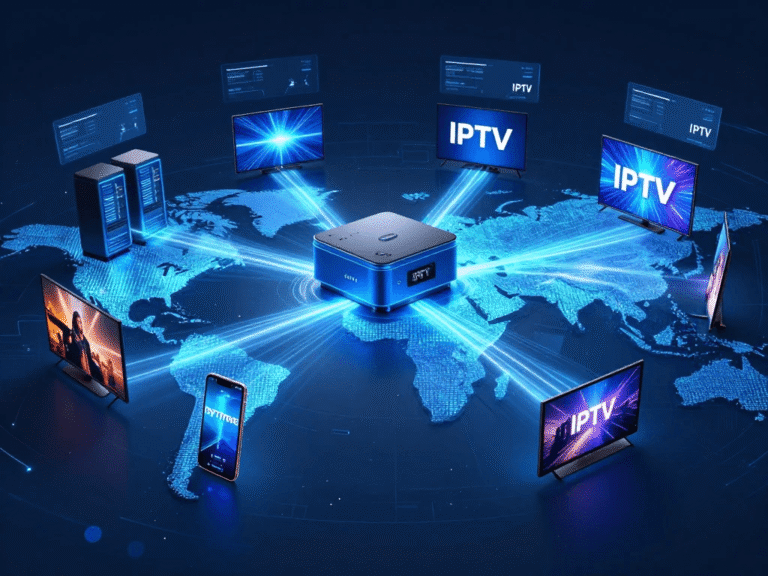
One of the biggest advantages of IPTV streaming is flexibility. You can access content on multiple devices, including Smart TVs, smartphones, tablets, laptops, desktop computers, and streaming devices like Amazon Fire TV Stick and Android TV boxes.
As internet infrastructure continues to improve throughout the United States, IPTV services have become increasingly reliable and capable of delivering high-definition and 4K content without the limitations associated with traditional broadcasting methods.
For additional information about IPTV technology, you can refer to the resources available from the Federal Communications Commission (FCC):
https://www.fcc.gov
The Evolution of Television Consumption
Television viewing habits have changed dramatically over the last decade. Traditional cable subscriptions have steadily declined as consumers seek more affordable and flexible entertainment solutions.
According to industry research from Statista:
https://www.statista.com
Millions of American households have canceled their cable subscriptions and embraced streaming services instead. This trend, often referred to as “cord-cutting,” has created enormous demand for IPTV streaming platforms.
Several factors contribute to this shift:
- Rising cable subscription costs
- Increased availability of high-speed internet
- Growing demand for on-demand content
- Multi-device viewing preferences
- Greater control over content selection
Unlike traditional broadcasting schedules, IPTV allows you to choose content that fits your lifestyle. Whether you’re watching live sports, catching up on missed episodes, or browsing an extensive video-on-demand library, IPTV streaming offers convenience that traditional television simply cannot match.
Types of IPTV Streaming Services
Understanding the different types of IPTV services can help you choose the best option for your viewing habits.
Live IPTV Streaming
Live IPTV streaming functions similarly to traditional television. You watch programs in real time as they’re broadcast.
Popular live content includes:
- News channels
- Sports networks
- Entertainment channels
- Local television stations
- International broadcasts
Many users switch to IPTV specifically because they want access to live sports coverage, including NFL, NBA, MLB, NHL, UFC, and international sporting events.
Video on Demand (VOD)
Video on Demand is one of the most popular IPTV features because it allows you to watch content whenever you want.
VOD libraries often include:
- Movies
- Television series
- Documentaries
- Children’s programming
- Educational content
Rather than waiting for scheduled broadcasts, you can instantly access thousands of titles from a centralized library.
Learn more about content options available through Tivora Stream’s blog:
https://tivorastream.com/blog/
Catch-Up TV
Catch-Up TV provides access to programs that have already aired. If you miss a live broadcast, you can watch it later without recording it manually.
Benefits include:
- Greater viewing flexibility
- No DVR required
- Access to recently aired content
- Convenient schedule management
This feature is especially useful for busy professionals who cannot always watch programs during their original broadcast times.
Time-Shifted IPTV
Time-shifted IPTV allows viewers to pause, rewind, and replay live broadcasts.
This feature is particularly valuable for:
- Sports fans
- News viewers
- Live event audiences
- Families with busy schedules
Time-shifting gives you greater control over your viewing experience and reduces the stress of adhering to rigid broadcasting schedules.
How IPTV Streaming Services Work
Although IPTV may appear simple from the user’s perspective, a sophisticated infrastructure operates behind the scenes to deliver content smoothly.
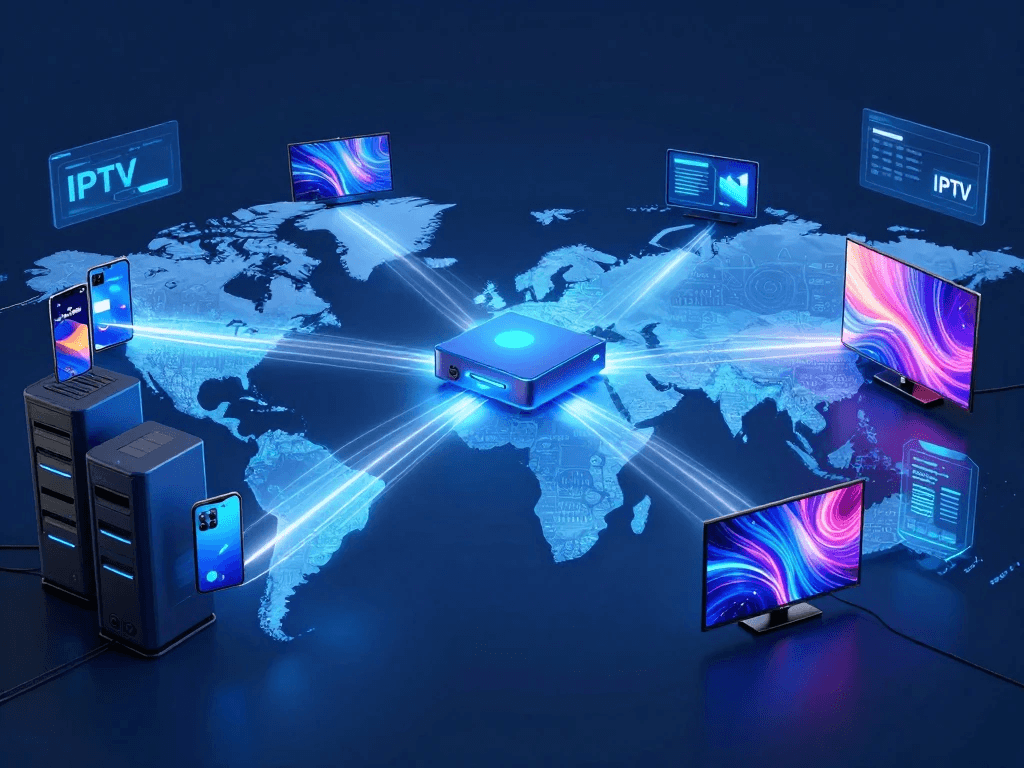
The IPTV ecosystem consists of several interconnected components working together to ensure uninterrupted content delivery.
IPTV Content Acquisition
Every IPTV service begins by acquiring content from broadcasters, networks, and content providers.
This content may include:
- Television channels
- Movies
- Sports broadcasts
- Premium entertainment programming
The content is encoded into digital formats suitable for internet transmission.
IPTV Servers
Servers play a critical role in IPTV streaming performance.
High-quality IPTV providers invest heavily in powerful servers that can:
- Process large volumes of content
- Support thousands of simultaneous viewers
- Reduce latency
- Prevent buffering
A poorly maintained server infrastructure is one of the most common causes of streaming interruptions.
Content Delivery Networks (CDNs)
A Content Delivery Network distributes content across multiple geographical locations.
The benefits of CDNs include:
- Faster loading times
- Reduced buffering
- Improved reliability
- Better user experience
Major internet companies rely on CDN technology to ensure smooth content delivery worldwide.
Learn more about CDN technology from:
https://www.cloudflare.com/learning/cdn/what-is-a-cdn/
User Devices
One reason IPTV streaming continues to grow in popularity is device flexibility.
Most IPTV services support:
| Device Type | Supported |
|---|---|
| Smart TVs | Yes |
| Android TV | Yes |
| Firestick | Yes |
| iPhone | Yes |
| Android Phones | Yes |
| Tablets | Yes |
| Windows PCs | Yes |
| Mac Computers | Yes |
This compatibility allows you to enjoy your content virtually anywhere with an internet connection.
Benefits of Smooth IPTV Streaming Services
The success of IPTV streaming stems largely from the advantages it offers compared to traditional television services.
Superior Viewing Experience
A smooth IPTV streaming experience eliminates the frustrations associated with poor-quality broadcasts.
Benefits include:
- High-definition streaming
- Full HD content
- 4K streaming support
- Minimal buffering
- Fast channel switching
Many premium IPTV services now support Ultra HD content, delivering exceptional picture quality for modern televisions.
Significant Cost Savings
Cable television costs continue to rise across the United States.
According to consumer reports:
https://www.consumerreports.org
Many households spend hundreds of dollars each month on television services.
IPTV often provides:
- Lower subscription costs
- Flexible plans
- No long-term contracts
- Greater content variety
You can explore affordable IPTV packages at:
https://tivorastream.com/pricing/
Access to International Content
Traditional cable packages often limit access to international channels.
IPTV services frequently offer:
- European channels
- Asian networks
- Middle Eastern programming
- Latin American content
- Global sports coverage
This diversity makes IPTV particularly attractive to multicultural households throughout the United States.
Multi-Device Streaming
Modern consumers rarely watch television exclusively in their living rooms.
IPTV allows you to continue watching content across multiple devices.
Examples include:
- Watching sports on your phone during travel
- Streaming movies on a tablet
- Viewing news on a laptop
- Enjoying television on a Smart TV
This flexibility aligns perfectly with contemporary viewing habits.
User-Friendly Interfaces
Modern IPTV services prioritize usability.
Many platforms offer:
- Electronic Program Guides (EPG)
- Search functionality
- Personalized recommendations
- Favorite channel lists
- Easy navigation
These features simplify content discovery and enhance the overall viewing experience.
Key Features to Look for in an IPTV Streaming Service
Choosing the right IPTV provider can significantly impact your satisfaction.
Before subscribing, evaluate each service carefully.
Streaming Quality
One of the first factors to consider is video quality.
Look for providers offering:
- HD streams
- Full HD streams
- 4K support
- Adaptive bitrate technology
Adaptive bitrate streaming automatically adjusts quality based on internet conditions to minimize interruptions.
Server Reliability
Server performance directly affects streaming quality.
Prioritize providers with:
- High uptime guarantees
- Multiple server locations
- Load balancing systems
- Scalable infrastructure
Reliable servers contribute significantly to smooth IPTV streaming performance.
Extensive Content Libraries
Content selection remains one of the primary reasons consumers switch to IPTV.
Evaluate:
- Channel variety
- Sports coverage
- Movie libraries
- TV series collections
- International programming
Review available offerings through:
https://tivorastream.com/
Customer Support
Even the best IPTV services occasionally encounter technical issues.
Reliable customer support should include:
- Live chat
- Email assistance
- Knowledge bases
- FAQ sections
For assistance, users can visit:
https://tivorastream.com/contact/
or
Common Causes of IPTV Buffering and How You Can Fix Them
Buffering is one of the most frustrating issues you may face when using IPTV streaming services. Even if you subscribe to a high-quality provider, poor performance can still occur if certain technical conditions are not optimized. Understanding the root causes of buffering helps you take control of your viewing experience and ensure smooth IPTV streaming. In most cases, buffering is not caused by IPTV itself but rather by external factors such as internet speed, device limitations, or network congestion. By identifying these issues early, you can significantly improve your streaming quality and enjoy uninterrupted entertainment across all your devices.
Internet Speed Issues and Bandwidth Limitations
One of the most common reasons for buffering is insufficient internet speed. IPTV streaming relies heavily on stable and fast bandwidth to deliver real-time video content. If your connection is too slow, the video data cannot load quickly enough, resulting in pauses and interruptions. For standard definition, at least 5 Mbps is required, while HD streaming needs around 10 Mbps. For 4K content, you should ideally have 25 Mbps or higher. According to broadband recommendations from FCC guidelines https://www.fcc.gov, households with multiple users streaming simultaneously require even higher speeds to maintain performance.
Server Overload and Poor Provider Infrastructure
Another major cause of buffering is server overload. If too many users are connected to the same IPTV server at the same time, performance can degrade significantly. This is especially common with low-quality or overloaded IPTV providers that do not invest in scalable infrastructure. High-quality IPTV streaming services use advanced load balancing systems and multiple servers across different regions to distribute traffic efficiently. Content Delivery Networks (CDNs) such as those explained by Cloudflare https://www.cloudflare.com/learning/cdn/what-is-a-cdn/ help reduce strain on servers and improve streaming stability by bringing content closer to users.
Weak Wi-Fi Signals and Network Interference
Even if you have a high-speed internet plan, a weak Wi-Fi signal can still cause buffering. Distance from the router, physical obstacles like walls, and interference from other devices can all reduce signal strength. To improve IPTV streaming performance, you may consider using a wired Ethernet connection instead of Wi-Fi. Ethernet provides a more stable and consistent connection, especially for high-definition streaming. Additionally, placing your router in a central location and reducing interference from other electronics can significantly improve your streaming quality.
Device Performance and Outdated Hardware
Your streaming device also plays a critical role in IPTV performance. Older Smart TVs, low-end streaming boxes, or devices with limited processing power may struggle to handle high-quality video streams. This can result in lag, freezing, or buffering issues. Modern IPTV streaming services are optimized for newer devices, including Firestick, Android TV boxes, and Smart TVs with updated firmware. Regularly updating your device software and clearing cache memory can also help improve performance and ensure smoother playback.
How to Optimize Your Internet for Smooth IPTV Streaming
To enjoy uninterrupted IPTV streaming, optimizing your internet connection is essential. Even small adjustments can make a noticeable difference in performance. A stable connection ensures that video data flows continuously without delays or interruptions. Many users underestimate the importance of proper network setup, but it is one of the most important factors in achieving smooth IPTV streaming. By following a few simple optimization techniques, you can significantly reduce buffering and enhance your overall viewing experience.
Upgrade Your Internet Plan
If you frequently experience buffering, your current internet plan may not be sufficient. Streaming in HD or 4K requires significantly more bandwidth than basic browsing or social media usage. Upgrading your plan to a higher-speed tier ensures that your network can handle multiple devices and high-resolution content simultaneously. According to broadband performance research https://www.speedtest.net/insights, households in the USA increasingly require speeds above 100 Mbps to support modern streaming habits. Investing in a better internet plan is one of the most effective ways to improve IPTV streaming quality.
Use a Wired Ethernet Connection
Switching from Wi-Fi to Ethernet is one of the simplest ways to improve streaming stability. Ethernet connections provide consistent speeds and are not affected by wireless interference. This is especially important for IPTV streaming because even small fluctuations in bandwidth can cause buffering. If your IPTV device is located near your router, connecting it directly with an Ethernet cable can dramatically enhance performance. Many users report smoother playback and faster channel switching after making this change.
Optimize Router Settings
Your router configuration can also impact IPTV streaming performance. Features such as Quality of Service (QoS) allow you to prioritize streaming traffic over other types of internet usage. This ensures that your IPTV device receives sufficient bandwidth even when other devices are active on the network. Restarting your router regularly, updating firmware, and using modern dual-band or tri-band routers can also help maintain stable performance. For households with multiple users, these optimizations are essential for smooth IPTV streaming.
IPTV Streaming Security and Privacy Considerations
While IPTV streaming offers convenience and flexibility, it is important to consider security and privacy. Since IPTV relies on internet connectivity, your data and viewing habits may be exposed if proper safeguards are not in place. Ensuring that you use a secure and reputable IPTV provider helps protect your personal information and enhances your overall streaming experience. Security should always be a priority when selecting any digital entertainment service.
Protecting Your Personal Data
When subscribing to IPTV streaming services, you may need to provide personal information such as email addresses or payment details. It is essential to ensure that this data is handled securely. Always choose providers that use encrypted payment gateways and secure account systems. Avoid sharing login credentials with unauthorized users and use strong, unique passwords for your accounts. According to cybersecurity guidance from Norton https://us.norton.com, strong password practices significantly reduce the risk of account breaches.
Safe Streaming Practices
Safe IPTV streaming also involves protecting your devices from malware and unauthorized access. Always keep your Smart TV, streaming box, or mobile device updated with the latest security patches. Avoid downloading unknown applications or third-party plugins from unverified sources. Using a secure Wi-Fi network with WPA3 encryption further enhances your protection. These practices ensure that your IPTV streaming experience remains safe and uninterrupted.
Importance of Choosing Legitimate Providers
Not all IPTV providers operate legally or ethically. Choosing a legitimate and transparent provider is essential for long-term reliability. Reputable services offer clear pricing, customer support, and proper licensing agreements. You can explore trusted services and learn more about subscription options at https://tivorastream.com/about/. Avoid services that promise unrealistic channel access or extremely low pricing without transparency, as these often lead to poor performance or security risks.
How to Choose the Best IPTV Streaming Service
Selecting the right IPTV provider is one of the most important decisions you will make. The quality of your streaming experience depends heavily on the service you choose. With so many options available in the US market, it is essential to evaluate providers carefully based on performance, reliability, and content offerings. A well-chosen IPTV streaming service will provide consistent quality, diverse content, and excellent customer support.
Evaluate Streaming Quality and Stability
The first factor to consider is streaming quality. A reliable IPTV service should offer HD, Full HD, and 4K streaming without frequent buffering. You should test the service using a trial if available. Pay attention to channel loading times, video clarity, and overall stability during peak hours. High-quality IPTV streaming services use adaptive bitrate technology to ensure smooth playback even when internet conditions fluctuate.
Check Content Variety and Channel Selection
Content diversity is another critical factor. A good IPTV provider should offer a wide range of channels, including sports, entertainment, news, and international programming. In the United States, sports coverage is particularly important, as many users rely on IPTV for NFL, NBA, MLB, and UFC events. Additionally, Video on Demand libraries should include a large selection of movies and TV series. You can explore available content options directly at https://tivorastream.com/.
Compare Pricing and Subscription Plans
Pricing plays a major role in decision-making. IPTV services are generally more affordable than traditional cable subscriptions, but prices can vary significantly between providers. Always compare monthly, quarterly, and annual plans before making a decision. Transparent pricing structures with no hidden fees are a strong indicator of a trustworthy IPTV streaming provider. You can review subscription details at https://tivorastream.com/pricing/.
Customer Support and Service Reliability
Reliable customer support is essential when dealing with technical issues. A good IPTV provider should offer multiple support channels, including live chat, email, and FAQ resources. Fast response times and knowledgeable support teams indicate a professional service. You can access support resources at https://tivorastream.com/contact/ and https://tivorastream.com/faq/.
Future Trends in IPTV Streaming Services
The IPTV industry continues to evolve rapidly, driven by technological advancements and changing consumer behavior. As internet infrastructure improves across the United States, IPTV streaming is expected to become even more dominant in the entertainment industry. Understanding future trends helps you stay ahead and choose services that will remain relevant in the long term.
AI-Powered Recommendations
Artificial intelligence is increasingly being used to enhance IPTV streaming platforms. AI algorithms analyze your viewing habits and recommend personalized content based on your preferences. This creates a more engaging and customized entertainment experience, making it easier for you to discover new shows and movies.
8K Streaming and Enhanced Video Quality
While 4K streaming is currently the standard for high-quality content, 8K streaming is gradually emerging. As display technology improves, IPTV providers will begin offering ultra-high-definition content with even greater clarity and detail. This advancement will require faster internet speeds and more advanced compression technologies.
Cloud-Based IPTV Platforms
Cloud computing is transforming IPTV infrastructure. Cloud-based systems allow providers to scale quickly, improve reliability, and reduce latency. This ensures smoother IPTV streaming experiences even during high traffic periods.
Increased Mobile Viewing
Mobile IPTV streaming continues to grow as more users consume content on smartphones and tablets. Improved mobile networks, including 5G technology, allow for faster and more reliable streaming on the go.
Frequently Asked Questions About IPTV Streaming
What is IPTV streaming and how does it work?
IPTV streaming is a method of delivering television content over the internet instead of traditional cable or satellite systems. Instead of broadcasting signals through physical infrastructure, IPTV uses internet protocols to transmit live TV, movies, and on-demand content directly to your device. This allows you to watch content on Smart TVs, smartphones, tablets, and computers with greater flexibility. In the United States, IPTV streaming has become increasingly popular due to rising cable costs and the demand for more customizable entertainment options. As long as you have a stable internet connection, IPTV provides a modern, efficient, and scalable way to enjoy television content anywhere.
What internet speed do you need for smooth IPTV streaming?
To achieve smooth IPTV streaming, your internet speed must match your video quality requirements. For standard definition content, 5 Mbps is usually enough, while HD streaming requires at least 10 Mbps. If you want Full HD or 4K streaming, speeds between 20 Mbps and 50 Mbps are recommended. However, in real-world conditions in the USA, especially in households with multiple connected devices, speeds above 100 Mbps are ideal for consistent performance. According to broadband usage data from Speedtest https://www.speedtest.net/insights, higher internet speeds significantly reduce buffering and improve streaming stability across all platforms.
Why does IPTV streaming buffer?
Buffering occurs when your device cannot download video data fast enough to keep up with playback. This is usually caused by slow internet speed, overloaded servers, weak Wi-Fi signals, or outdated devices. In some cases, your IPTV provider’s infrastructure may also be responsible. High-quality IPTV streaming services use Content Delivery Networks (CDNs) like those explained by Cloudflare https://www.cloudflare.com/learning/cdn/what-is-a-cdn/ to reduce buffering and improve performance. Improving your internet connection, switching to Ethernet, and using a reliable provider can significantly reduce buffering issues.
Is IPTV streaming legal in the United States?
IPTV streaming is legal in the United States when provided by licensed and authorized services. However, some IPTV providers operate without proper licensing, which can create legal risks for users. It is important to choose legitimate services that comply with copyright regulations and content distribution laws. You can review general communication guidelines and regulations from the FCC https://www.fcc.gov. Always ensure that your IPTV provider is transparent about its licensing and content sources before subscribing.
Can you watch live sports on IPTV streaming services?
Yes, IPTV streaming is one of the most popular ways to watch live sports in the USA. Many IPTV platforms offer access to NFL, NBA, MLB, NHL, UFC, and international sports events. The quality of sports streaming depends on the provider’s infrastructure and server stability. A reliable IPTV service will offer HD or 4K sports coverage with minimal delay and buffering. This makes IPTV especially attractive for sports fans who want real-time viewing without expensive cable subscriptions.
What devices support IPTV streaming?
Most modern devices support IPTV streaming, making it highly flexible for users. You can watch IPTV on Smart TVs, Android TV boxes, Amazon Firestick, smartphones, tablets, laptops, and desktop computers. Many providers also offer dedicated apps for easier installation and navigation. Compatibility across multiple devices ensures that you can switch between screens without losing access to your content, making IPTV streaming one of the most convenient entertainment solutions available today.
Final Thoughts on Smooth IPTV Streaming Services
IPTV streaming has transformed how people in the United States consume entertainment. It offers flexibility, affordability, and access to a wide range of content that traditional cable services cannot match. However, achieving a smooth IPTV streaming experience depends on several factors, including internet speed, device quality, server reliability, and the IPTV provider you choose. When these elements are properly optimized, IPTV becomes a powerful alternative to traditional television, delivering high-quality entertainment on demand.
As technology continues to evolve, IPTV streaming will only become more advanced. Features such as AI-powered recommendations, cloud-based infrastructure, and ultra-high-definition streaming are shaping the future of digital entertainment. For users, this means better quality, more personalization, and greater convenience than ever before. Choosing the right provider today ensures that you stay ahead of these innovations and enjoy a seamless viewing experience for years to come.
To explore premium IPTV streaming options designed for performance and reliability, visit https://tivorastream.com/ today.
Strong Call to Action (CTA)
If you’re ready to upgrade your entertainment experience and eliminate buffering issues once and for all, now is the time to switch to a high-quality IPTV streaming service. Whether you’re a sports fan, movie lover, or someone looking for affordable and flexible TV options, IPTV offers everything you need in one place.
👉 Explore subscription plans here: https://tivorastream.com/pricing/
👉 Start your IPTV journey today: https://tivorastream.com/checkout/
👉 Learn more about the service: https://tivorastream.com/about/
👉 Need help? Contact support anytime: https://tivorastream.com/contact/
👉 Browse helpful guides and updates: https://tivorastream.com/blog/
👉 Read frequently asked questions: https://tivorastream.com/faq/
IPTV Streaming and Internet Technology
To help you better understand IPTV streaming, internet performance, and digital entertainment trends, here are trusted external resources:
- https://www.fcc.gov — Federal Communications Commission (USA telecommunications regulations)
- https://www.statista.com — IPTV market statistics and streaming trends
- https://www.cloudflare.com/learning/cdn/what-is-a-cdn/ — Content Delivery Networks explained
- https://www.speedtest.net/insights — Internet speed and global broadband reports
- https://us.norton.com — Cybersecurity and online safety guidance
- https://www.consumerreports.org — Consumer technology and cable vs streaming insights
- https://www.cnet.com — Technology reviews and streaming service analysis
- https://www.techradar.com — IPTV and streaming technology news
- https://www.streamingmedia.com — Industry insights on streaming platforms
- https://www.broadbandnow.com — Internet provider and speed availability data in the USA
Conclusion
Smooth IPTV streaming services represent the future of television in the United States. As more households move away from traditional cable, IPTV continues to grow as a flexible, cost-effective, and high-quality alternative. By understanding how IPTV works, optimizing your internet connection, and choosing a reliable provider, you can eliminate buffering issues and enjoy seamless entertainment across all your devices.
The key to a great IPTV experience lies in preparation—fast internet, stable servers, compatible devices, and a trusted provider. When these elements come together, IPTV streaming becomes not just a replacement for cable, but a significant upgrade in how you experience entertainment.
If you’re ready to take control of your viewing experience, reduce costs, and enjoy premium content without limitations, IPTV streaming is the solution you’ve been looking for.
Start your journey today with a trusted provider and experience entertainment the way it should be—smooth, flexible, and always available.
Bonus Section: IPTV Streaming Setup Guide + Advanced Optimization Tips
Even after choosing a high-quality IPTV streaming service, your overall experience depends heavily on how well your system is set up. Many users in the USA struggle with buffering or lag not because of the provider, but due to improper configuration. This section gives you a practical, step-by-step approach to setting up IPTV correctly and optimizing it for long-term smooth performance. By following these guidelines, you can maximize stability, reduce interruptions, and ensure that your IPTV streaming experience remains fast and reliable across all devices.
Step-by-Step IPTV Streaming Setup Guide
Step 1: Choose a Compatible Device
Before installing any IPTV application, make sure your device supports smooth streaming. The best-performing devices include Amazon Firestick, Android TV boxes, Smart TVs with updated firmware, and modern smartphones or tablets. Older devices may struggle with HD or 4K IPTV streaming due to limited processing power or outdated software. For optimal results, always use a device with at least 2GB RAM and strong Wi-Fi or Ethernet capability. This ensures your IPTV application runs smoothly without crashes or delays during playback.
Step 2: Install a Reliable IPTV Player
Once your device is ready, the next step is installing a compatible IPTV player. Popular IPTV players support playlist formats and offer smooth playback features such as EPG (Electronic Program Guide), channel sorting, and multi-format streaming. A good IPTV player reduces buffering and improves navigation speed. Always download applications from official app stores or trusted sources to avoid malware or performance issues. A properly configured IPTV player is essential for achieving stable IPTV streaming performance, especially when switching between live channels or VOD content.
Step 3: Configure Your IPTV Subscription
After installing the player, you will need to enter your IPTV credentials provided by your service provider. This usually includes a username, password, or M3U playlist URL. Once entered, your IPTV system will automatically load available channels and content. Make sure to double-check all credentials to avoid login errors. If your IPTV provider offers multiple server options, select the one closest to your region in the USA for better speed and lower latency. This simple step can significantly improve your IPTV streaming quality.
Step 4: Optimize Playback Settings
Most IPTV players allow you to adjust playback settings such as buffer size, video decoder type, and streaming quality. Increasing buffer size slightly can help reduce interruptions during peak internet usage times. You should also enable hardware acceleration if your device supports it, as this reduces strain on the CPU and improves video performance. These small adjustments can dramatically improve your IPTV streaming stability and reduce lag during high-demand content like live sports events.
Advanced IPTV Streaming Optimization Tips
Use a VPN for Stable Streaming
A VPN (Virtual Private Network) can sometimes improve IPTV streaming performance by reducing ISP throttling. In some cases, internet service providers may slow down streaming traffic during peak hours. A VPN encrypts your connection and helps maintain consistent speeds. However, choosing a high-quality VPN with fast servers in the USA is essential to avoid additional latency. A poorly optimized VPN may actually reduce streaming performance instead of improving it.
Clear Cache Regularly
Over time, IPTV applications store temporary data that can slow down performance. Clearing cache regularly ensures smoother operation and faster channel loading times. This is especially important for users who stream daily or switch between multiple channels frequently. Regular maintenance helps maintain long-term IPTV streaming stability and prevents unnecessary crashes or freezing issues.
Monitor Internet Usage in Your Home
If multiple devices are using the same network—such as gaming consoles, smartphones, laptops, and smart home devices—your IPTV streaming quality may suffer. To avoid this, prioritize bandwidth allocation for your IPTV device using router QoS settings. This ensures that your streaming device always receives enough bandwidth for smooth playback even during peak usage hours.
Choose the Right Time for High-Quality Streaming
Internet congestion is more common during evening hours when most users are online. If you notice buffering during peak hours, try streaming during off-peak times or upgrading your internet plan. High-quality IPTV streaming services with strong CDN infrastructure reduce this issue, but network congestion can still affect performance depending on your ISP.
IPTV Streaming Troubleshooting Checklist
If your IPTV streaming is not performing well, use this quick checklist:
- Check your internet speed (minimum 10 Mbps for HD)
- Restart your router and device
- Switch from Wi-Fi to Ethernet
- Clear IPTV app cache
- Update IPTV application
- Test different servers or playlists
- Disable background apps
- Check for ISP throttling
This checklist resolves most common IPTV streaming issues in under 10 minutes.
Final Closing Statement
IPTV streaming is no longer just an alternative to cable—it is becoming the standard for modern entertainment in the United States. With the right setup, optimized internet connection, and a reliable provider, you can achieve a smooth, buffer-free viewing experience that outperforms traditional television in both flexibility and value.
If you are ready to fully optimize your IPTV streaming experience, the next step is simple: choose a trusted provider, set up your system correctly, and apply the optimization techniques outlined in this guide.
Your entertainment experience should be fast, flexible, and frustration-free—and now you have everything you need to make that happen.
Pro IPTV Streaming Expert Tips + Common Mistakes to Avoid
Even if you already understand how IPTV streaming works, there are subtle factors that separate an average experience from a truly smooth, high-performance setup. These expert-level insights are often overlooked by beginners, but they can dramatically improve stability, speed, and overall satisfaction. If you’re serious about getting the most out of your IPTV streaming service in the USA, these tips will help you avoid common pitfalls while maximizing performance across all your devices.
Pro Tips for a Smooth IPTV Streaming Experience
Prioritize Server Location Over Features
Many users focus only on channel lists or pricing when choosing IPTV services, but server location is often more important. The closer the IPTV server is to your physical location in the USA, the lower your latency and buffering. Always choose providers that offer multiple US-based or nearby CDN nodes. This ensures your IPTV streaming data travels a shorter distance, resulting in faster loading times and more stable playback, especially during live sports or peak evening hours.
Always Test During Peak Hours
A common mistake is testing IPTV services only during off-peak hours. A service that performs well in the morning may struggle at night when traffic increases. Always evaluate IPTV streaming performance between 7 PM and 11 PM local time in the USA. This is when most users are active, and server performance is truly tested. Reliable providers will maintain stable streaming even under high load.
Use Dedicated Devices for IPTV
If possible, avoid multitasking on your streaming device. Running games, downloads, or background apps can reduce performance and affect IPTV streaming quality. A dedicated Firestick or Android TV box used solely for IPTV will consistently deliver better results than a heavily loaded smartphone or shared household device.
Keep Your Router Firmware Updated
Many users never update their router firmware, yet this can significantly affect IPTV streaming stability. Updates improve security, fix bugs, and optimize performance. Modern routers often include enhancements for streaming traffic, which directly benefits IPTV users. Checking your router settings every few months is a simple but powerful optimization step.
Common IPTV Streaming Mistakes You Should Avoid
Choosing Based on Price Alone
One of the biggest mistakes users make is selecting IPTV services solely because they are cheap. Extremely low-priced services often lack proper infrastructure, leading to buffering, downtime, and poor customer support. Instead, focus on reliability, server quality, and reviews—not just cost.
Ignoring Internet Stability
Many users assume speed alone determines IPTV streaming quality, but stability is equally important. A connection with fluctuating speeds will cause buffering even if the average bandwidth is high. A stable 50 Mbps connection often performs better than an unstable 150 Mbps one.
Using Unverified IPTV Apps
Downloading IPTV apps from unofficial sources can expose your device to malware or performance issues. Always use verified apps from official stores or trusted providers. Security risks can compromise not only IPTV streaming performance but also your personal data.
Overloading Your Network
Streaming IPTV while multiple devices are downloading large files or playing online games can cause network congestion. To avoid this, schedule heavy downloads outside of viewing hours or use router QoS settings to prioritize IPTV traffic.
Final Expert Insight
The difference between poor and excellent IPTV streaming often comes down to small technical decisions rather than the service itself. By optimizing server choice, maintaining your network, and avoiding common mistakes, you can achieve a consistently smooth, high-quality streaming experience in any household environment.
When combined with a reliable provider and properly configured setup, IPTV streaming becomes one of the most powerful and flexible entertainment systems available today in the United States.