
Table of Contents
Introduction
The demand for high-quality digital streaming has exploded across the United States. Whether you operate a television station, stream sports events, manage a church broadcast, or run an online media platform, your audience expects crystal-clear video with zero interruptions. Unfortunately, poor streaming quality, buffering, lag, and unstable broadcasts can damage your reputation in seconds. That is why investing in reliable IPTV encoders has become essential for businesses and content creators that want professional-grade performance.
When you shop for IPTV encoders, you are not simply purchasing hardware or software. You are investing in the stability, quality, and scalability of your streaming infrastructure. The right IPTV encoder can dramatically improve video delivery, reduce latency, optimize bandwidth usage, and support multiple devices simultaneously. In today’s highly competitive digital environment, reliable streaming technology helps you stay ahead while delivering an exceptional viewing experience to your audience.
If you are looking for a trusted IPTV streaming provider and infrastructure partner, you can explore services from https://tivorastream.com/ to learn more about advanced IPTV solutions designed for modern streaming businesses.
What Are IPTV Encoders?
Understanding IPTV Encoding Technology
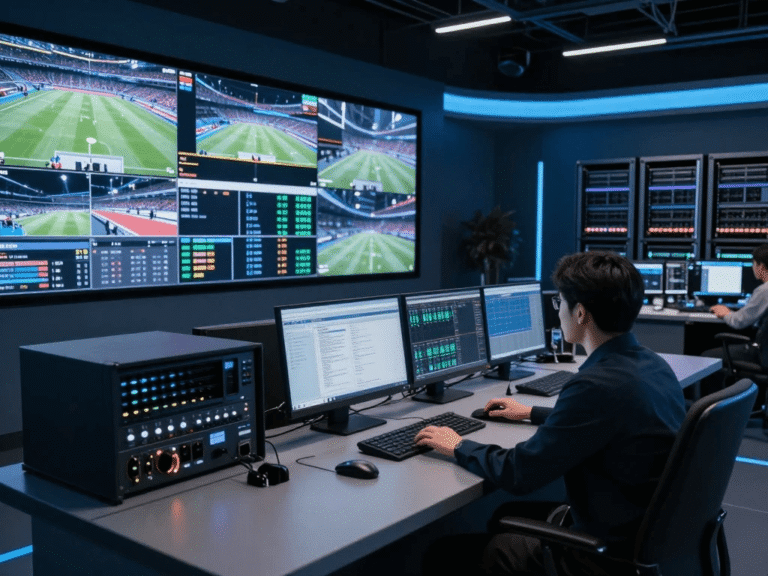
IPTV encoders are specialized devices or software applications that convert video content into digital IP streams suitable for internet broadcasting. Instead of transmitting traditional analog signals, IPTV systems rely on internet protocols to distribute content efficiently across multiple platforms and devices. An IPTV encoder acts as the bridge between your video source and your viewers, transforming raw video into compressed digital formats that can be streamed smoothly online.
Without a reliable IPTV encoder, your viewers may experience poor image quality, buffering, synchronization issues, or dropped connections. Modern IPTV encoders support advanced compression standards like H.264 and H.265, allowing you to deliver high-definition and even 4K content while minimizing bandwidth consumption. This balance between quality and efficiency is critical for broadcasters and streaming providers operating in the United States, where viewers demand seamless experiences on smartphones, smart TVs, tablets, and desktop devices.
According to https://www.cloudflare.com/learning/video/what-is-video-streaming/, optimized video encoding significantly improves streaming efficiency and playback performance across global networks.
Why IPTV Encoders Matter for Streaming Businesses
Reliable IPTV encoders are the foundation of professional broadcasting systems. If your encoder fails, your entire streaming operation can collapse instantly. That is why broadcasters, sports organizations, educational institutions, and media companies invest heavily in high-performance encoding technology. Your encoder directly impacts stream quality, audience retention, latency, and overall user satisfaction.
When your viewers encounter interruptions, they are unlikely to remain loyal to your platform. Research from https://www.akamai.com/ shows that even small buffering delays can reduce viewer engagement and increase abandonment rates. By choosing a professional IPTV encoder, you improve stream reliability while maintaining consistent video quality across varying internet speeds.
Reliable IPTV encoders also support adaptive bitrate streaming, which automatically adjusts video quality based on user bandwidth conditions. This technology ensures smoother playback while reducing buffering problems. As streaming continues to dominate entertainment and communication industries across the USA, investing in advanced IPTV encoding solutions becomes increasingly important for long-term business growth.
How IPTV Encoders Work
The IPTV Encoding Process Explained
Understanding how IPTV encoders work helps you make smarter purchasing decisions. The encoding process begins when your encoder receives raw video input from cameras, media servers, television feeds, or other broadcasting equipment. The encoder then compresses the content into digital formats optimized for online transmission. This process dramatically reduces file size while preserving video and audio quality.
After compression, the IPTV encoder packages the stream into compatible protocols such as RTMP, HLS, MPEG-TS, or SRT. These protocols ensure that your content can travel efficiently over internet networks and reach viewers on multiple devices. Once encoded, the stream is distributed through content delivery networks (CDNs), IPTV middleware platforms, or cloud streaming systems.
Efficient encoding is especially important for live events such as sports broadcasts and online conferences, where low latency and uninterrupted performance are essential. Reliable IPTV encoders ensure your audience receives smooth, synchronized streams with minimal delay regardless of location.
Common IPTV Streaming Formats
Different IPTV streaming formats serve different purposes depending on your broadcasting goals. Understanding these formats allows you to select an IPTV encoder that matches your requirements. H.264 remains one of the most widely used codecs because it provides excellent video quality while maintaining moderate bandwidth consumption. H.265, also called HEVC, delivers superior compression efficiency and supports ultra-high-definition streaming.
Here is a comparison of common IPTV streaming formats:
| Format | Compression Efficiency | Video Quality | Best Use Case |
|---|---|---|---|
| H.264 | High | Excellent | Standard IPTV Streaming |
| H.265 | Very High | Ultra HD 4K | Premium Broadcasting |
| RTMP | Medium | Low Latency | Live Streaming |
| HLS | High | Adaptive Streaming | Mobile Devices |
| SRT | Excellent | Secure Delivery | Professional Broadcasting |
For more information about modern streaming protocols, visit https://www.wowza.com/blog/streaming-protocols-guide.
Benefits of Using Reliable IPTV Encoders
Better Streaming Stability and Performance
One of the biggest advantages of reliable IPTV encoders is improved streaming stability. When your encoder operates efficiently, your streams remain smooth even during peak traffic periods. Stable encoding reduces frame drops, buffering interruptions, and connection failures that frustrate viewers and damage your brand image.
Professional IPTV encoders are designed to handle continuous broadcasting workloads for extended periods without overheating or crashing. This reliability is essential for television channels, live sports streaming, and enterprise communication systems where downtime can result in significant financial losses. High-end IPTV encoders also include backup failover systems that automatically switch to secondary streams if problems occur.
Stable streaming performance also improves viewer retention rates. Studies from https://www.statista.com/ indicate that audiences abandon streams quickly when they encounter technical issues. By investing in reliable IPTV encoders, you create a more professional experience that encourages users to stay engaged with your content longer.
Superior Video and Audio Quality
Your audience expects high-definition streaming with clear visuals and synchronized audio. Reliable IPTV encoders help you deliver professional-quality streams by supporting advanced video compression technologies and high-resolution output formats. Whether you stream Full HD, 4K UHD, or HDR content, modern IPTV encoders ensure excellent playback quality across multiple devices.
Video quality is particularly important for industries such as sports broadcasting, online education, and live entertainment. Poor image clarity or audio distortion can reduce viewer trust and negatively affect audience satisfaction. Advanced IPTV encoders optimize bitrate management to maintain consistent quality even under fluctuating network conditions.
Many professional encoders also support multi-bitrate streaming, which allows viewers with slower internet connections to receive lower-resolution streams automatically. This flexibility ensures wider accessibility while minimizing buffering issues. To understand how adaptive streaming improves viewer experiences, visit https://developer.apple.com/streaming/.
Types of IPTV Encoders
Hardware IPTV Encoders
Hardware IPTV encoders are dedicated physical devices designed specifically for professional video encoding and streaming applications. These systems provide excellent reliability, low latency, and consistent performance, making them ideal for television broadcasters, sports networks, and enterprise streaming operations.
Unlike software solutions, hardware IPTV encoders operate independently from standard computers, reducing the risk of crashes caused by system overloads or software conflicts. Many hardware encoders include advanced features such as redundant power supplies, multiple HDMI or SDI inputs, and integrated cooling systems for continuous 24/7 operation.
Although hardware IPTV encoders typically require a larger initial investment, they offer superior long-term stability and scalability. Businesses that depend heavily on uninterrupted live streaming often prefer hardware solutions because they minimize downtime and maximize operational reliability.
For enterprise-grade IPTV infrastructure and hosting solutions, you can review available options at https://tivorastream.com/pricing/.
Software IPTV Encoders
Software IPTV encoders are applications installed on computers or servers that perform video encoding tasks without requiring dedicated hardware appliances. These solutions are popular among startups, independent content creators, and small businesses because they are more affordable and flexible than hardware encoders.
Software encoders can often be customized extensively, allowing you to adjust bitrate settings, codecs, resolutions, and streaming protocols according to your specific requirements. Popular software encoders include OBS Studio, Wirecast, and vMix. Because software encoders rely on system resources, their performance depends heavily on your computer’s processing power and graphics capabilities.
While software IPTV encoders are cost-effective, they may not offer the same reliability as professional hardware systems during large-scale broadcasts or continuous operation. Still, for smaller streaming projects and online creators, software encoding provides an accessible entry point into IPTV broadcasting.
A useful guide to open-source streaming software is available at https://obsproject.com/.
Cloud-Based IPTV Encoders
Cloud IPTV encoders have become increasingly popular because they offer scalability, remote management, and reduced infrastructure costs. Instead of relying entirely on local hardware, cloud encoding platforms process video streams through remote data centers. This allows you to scale your broadcasting operations quickly without purchasing expensive physical equipment.
Cloud IPTV encoding is especially beneficial for businesses with fluctuating audience sizes or geographically distributed viewers. Because cloud systems integrate easily with content delivery networks, they improve stream reliability while reducing latency across multiple regions. Many cloud platforms also include automated transcoding, adaptive bitrate streaming, and real-time analytics.
One major advantage of cloud-based IPTV encoders is operational flexibility. You can manage streams remotely, launch new channels quickly, and adapt resources dynamically during high-demand events. As more businesses transition toward cloud infrastructure, cloud IPTV encoding continues to shape the future of digital broadcasting.
To learn more about streaming technology trends, visit https://aws.amazon.com/media/.
Key Features to Look for When Shopping for IPTV Encoders
Resolution and Video Quality Support
When shopping for IPTV encoders, one of the first features you should evaluate is resolution support. Modern audiences expect HD and 4K video quality, especially in the United States where broadband internet access is widespread. A reliable IPTV encoder should support multiple resolutions, including Full HD, Ultra HD, and HDR formats.
High-resolution support ensures your streams remain competitive in industries such as sports broadcasting, entertainment, gaming, and online education. However, resolution alone is not enough. Your encoder should also include advanced compression algorithms that preserve image quality while minimizing bandwidth usage.
Professional IPTV encoders often support adaptive bitrate streaming, allowing viewers to receive the highest possible quality based on their internet speed. This technology improves accessibility while reducing buffering interruptions. Choosing an encoder with strong video optimization capabilities ensures your audience enjoys smooth playback regardless of device or network conditions.
Codec Compatibility and Compression Efficiency
Codec compatibility is another critical factor when choosing reliable IPTV encoders. Video codecs determine how efficiently your content is compressed and transmitted over networks. H.264 remains one of the most common codecs because it balances quality and bandwidth usage effectively. However, H.265 offers significantly better compression efficiency, making it ideal for 4K and ultra-high-definition streaming.
Your IPTV encoder should support multiple codecs to ensure compatibility with various streaming platforms and devices. Flexible codec support also helps future-proof your broadcasting infrastructure as streaming technology evolves. Efficient compression reduces operational costs by lowering bandwidth consumption while maintaining high video quality.
If your audience accesses content on mobile devices, smart TVs, and web browsers simultaneously, broad codec compatibility becomes even more important. Advanced IPTV encoders provide versatile encoding options that improve playback consistency across all major platforms.
Advanced Features to Look for in Reliable IPTV Encoders
Low Latency Streaming Capabilities
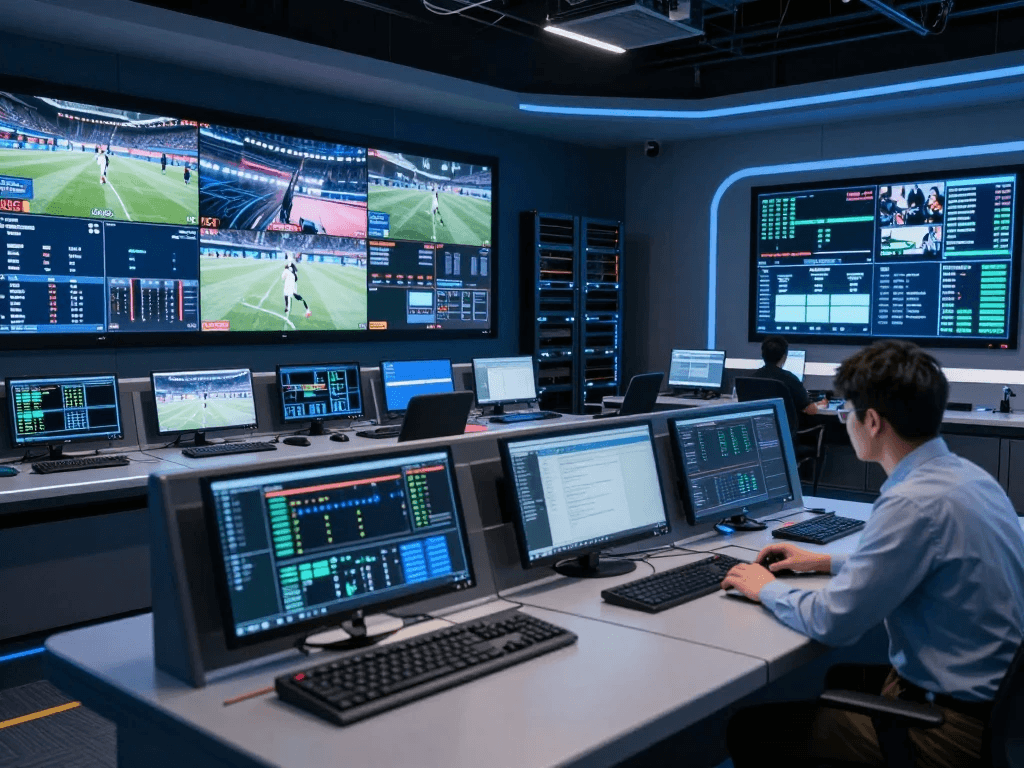
Latency is one of the most important performance metrics in professional broadcasting. If your stream experiences delays of several seconds, your audience may become frustrated, especially during live sports events, gaming tournaments, financial broadcasts, or real-time webinars. Reliable IPTV encoders minimize transmission delays by processing and distributing video streams more efficiently.
Low latency IPTV encoders use optimized compression algorithms and advanced transport protocols such as SRT and WebRTC to reduce buffering and synchronization problems. These technologies help ensure that viewers receive content almost instantly after it is broadcast. In highly competitive industries, even a few seconds of delay can affect viewer engagement and customer satisfaction.
Professional broadcasters across the United States increasingly prioritize ultra-low latency streaming because audiences now expect near real-time interaction. According to https://www.dacast.com/blog/low-latency-streaming/, reducing latency significantly improves live viewer experiences and increases audience retention during interactive broadcasts.
Multi-Channel IPTV Encoding Support
If you manage multiple content streams simultaneously, multi-channel IPTV encoding becomes essential. A high-quality IPTV encoder should support several channels at once without compromising video quality or stream stability. This feature is particularly important for television stations, OTT providers, sports networks, and educational institutions that operate multiple live feeds.
Multi-channel encoding improves operational efficiency because it allows you to manage several broadcasts through a single centralized system. Instead of purchasing separate encoders for every stream, you can consolidate resources and reduce infrastructure costs. Many enterprise IPTV encoders also provide remote management dashboards that simplify monitoring and stream configuration.
Scalability matters when your audience grows or your business expands. Investing in IPTV encoders with multi-channel capabilities ensures your infrastructure can handle future demands without requiring costly upgrades. Businesses that prioritize scalable streaming technology position themselves for sustainable long-term growth.
Security Features and Stream Protection
Streaming security is a growing concern for broadcasters and IPTV providers across the USA. Unauthorized access, stream piracy, and cyberattacks can damage your business reputation while causing significant financial losses. Reliable IPTV encoders include advanced security features that help protect your content and infrastructure from threats.
Modern IPTV encoders support encrypted streaming protocols, secure authentication systems, and DRM integration to prevent unauthorized viewing and content redistribution. Secure Reliable Transport (SRT) has become especially popular because it combines low latency performance with encrypted data transmission. This technology helps protect streams even over unstable internet connections.
Professional IPTV providers also rely on secure cloud hosting and firewall systems to safeguard broadcasting operations. To understand more about streaming cybersecurity best practices, visit https://www.cisco.com/c/en/us/solutions/service-provider/video.html. Protecting your content not only preserves revenue but also strengthens viewer trust and brand credibility.
Industries That Depend on IPTV Encoders
Television Broadcasting and News Networks
Television broadcasting remains one of the largest users of IPTV encoding technology in the United States. Traditional broadcasters now rely heavily on IPTV infrastructure to distribute live TV channels, news programming, and on-demand content across internet-connected devices. Reliable IPTV encoders help broadcasters maintain professional video quality while supporting large-scale audience distribution.
Modern television viewers expect seamless streaming experiences regardless of whether they watch content on cable systems, smart TVs, mobile applications, or desktop browsers. IPTV encoders ensure compatibility across these platforms by converting live feeds into optimized digital formats. Broadcasters also use adaptive bitrate streaming to improve playback consistency under varying internet conditions.
As competition between streaming services intensifies, television networks continue investing in advanced IPTV technology to improve operational efficiency and audience engagement. For media companies seeking scalable IPTV services and support, https://tivorastream.com/about/ provides information about modern streaming infrastructure solutions.
Sports Streaming and Live Event Broadcasting
Sports streaming places enormous pressure on broadcasting systems because viewers demand flawless real-time performance. Fans expect instant action without lag, buffering, or dropped frames. Reliable IPTV encoders are critical for delivering smooth live sports broadcasts with synchronized audio and high-definition video quality.
Professional sports broadcasters use low latency IPTV encoders to minimize delays during live events. This technology is particularly important for betting platforms, interactive fan experiences, and social media engagement where real-time synchronization matters. High-performance IPTV encoders also support multiple camera feeds, instant replay systems, and 4K streaming formats.
The popularity of online sports streaming continues growing rapidly in the United States as more viewers shift away from traditional cable television. According to https://www.forbes.com/, sports streaming revenue and audience sizes are expected to increase significantly over the next decade, driving demand for reliable IPTV broadcasting solutions.
Education and E-Learning Platforms
Educational institutions increasingly rely on IPTV streaming technology to deliver lectures, virtual classrooms, training sessions, and remote learning experiences. Universities, schools, and corporate training departments use IPTV encoders to broadcast educational content efficiently across multiple locations and devices.
Reliable IPTV encoders improve the online learning experience by ensuring stable video playback and synchronized audio communication. High-definition video quality is particularly important for presentations, demonstrations, and interactive instruction where visual clarity affects comprehension. Educational institutions also benefit from scalable streaming systems that support large numbers of simultaneous viewers.
The rapid growth of online learning in the USA has accelerated investment in IPTV infrastructure and cloud-based streaming services. Schools and training organizations require dependable broadcasting systems that can operate continuously without interruptions. IPTV technology enables flexible learning opportunities while expanding access to educational content nationwide.
Corporate Communication and Enterprise Streaming
Businesses across the United States use IPTV streaming technology for internal communication, virtual conferences, employee training, product launches, and executive presentations. Reliable IPTV encoders help companies deliver professional-quality broadcasts that improve communication efficiency and audience engagement.
Enterprise IPTV systems often support secure private streaming environments where sensitive corporate information must remain protected. Advanced IPTV encoders include encryption features and authentication controls that help businesses safeguard confidential broadcasts. Multi-location organizations also benefit from centralized streaming systems that distribute content efficiently across offices and remote teams.
Corporate streaming has become increasingly important in hybrid work environments where employees rely heavily on digital communication tools. Reliable IPTV encoders ensure that live meetings and presentations remain accessible and professional regardless of participant location.
For businesses exploring enterprise IPTV deployment options, https://tivorastream.com/contact/ provides direct support and consultation opportunities.
How to Choose the Best IPTV Encoder for Your Needs
Define Your Streaming Goals
Before purchasing an IPTV encoder, you should clearly define your streaming objectives. Different broadcasting scenarios require different levels of performance, scalability, and reliability. For example, a small online creator may only need a software encoder for occasional live streams, while a television network requires enterprise-grade hardware capable of continuous operation.
Start by evaluating your audience size, desired video quality, streaming frequency, and content type. Live sports events, webinars, educational programs, and entertainment channels each have unique technical requirements. You should also consider whether you plan to expand your streaming operation in the future.
Understanding your goals helps narrow your options and prevents unnecessary spending on features you may not need. Choosing the right IPTV encoder becomes much easier when you align your purchase with your long-term broadcasting strategy and operational requirements.
Compare Budget vs Performance
Budget plays an important role when shopping for reliable IPTV encoders. However, focusing only on price can lead to poor long-term results if your equipment fails to meet performance expectations. Low-cost IPTV encoders may lack essential features such as advanced compression, redundancy systems, or multi-channel support.
Professional IPTV encoders typically require a larger upfront investment, but they often deliver better reliability, scalability, and operational efficiency over time. High-quality encoders reduce downtime, improve viewer satisfaction, and lower maintenance costs, making them more cost-effective in the long run.
You should compare the total value offered by each solution rather than simply choosing the cheapest option. Consider technical support availability, firmware updates, warranty coverage, and future scalability when evaluating encoder performance against pricing.
You can compare IPTV service plans and infrastructure solutions directly at https://tivorastream.com/pricing/.
Evaluate Platform Compatibility
Your IPTV encoder should integrate smoothly with your existing broadcasting infrastructure and streaming platforms. Compatibility issues can create operational challenges and reduce streaming reliability. Before making a purchase, confirm that your encoder supports the protocols, codecs, and platforms you plan to use.
Most modern IPTV systems rely on streaming standards such as RTMP, HLS, MPEG-DASH, and SRT. Your encoder should also support popular content delivery networks and cloud platforms to maximize distribution flexibility. If you plan to stream through OTT applications, social media platforms, or IPTV middleware systems, broad compatibility becomes even more important.
Device compatibility also matters because viewers access content through smartphones, tablets, smart TVs, gaming consoles, and web browsers. A reliable IPTV encoder ensures consistent playback quality across all major devices and operating systems.
For additional streaming compatibility resources, visit https://www.wowza.com/streaming-engine.
Common IPTV Encoder Problems and Solutions
Buffering and Playback Interruptions
Buffering remains one of the most frustrating problems in online streaming. Even brief interruptions can reduce viewer satisfaction and increase abandonment rates. Buffering typically occurs when the bitrate exceeds available bandwidth or when the encoding system struggles to process streams efficiently.
Reliable IPTV encoders reduce buffering by optimizing compression efficiency and adaptive bitrate streaming. You can also minimize interruptions by selecting appropriate bitrate settings based on your audience’s average internet speed. Using a high-performance content delivery network further improves stream distribution and playback consistency.
Monitoring network performance regularly helps identify potential bottlenecks before they affect viewers. Businesses that prioritize streaming optimization deliver more professional experiences and maintain stronger audience engagement.
Audio and Video Synchronization Issues
Audio and video synchronization problems can seriously damage stream quality and viewer trust. Delayed audio, lip-sync errors, or inconsistent playback often result from incorrect encoder settings, outdated firmware, or unstable network conditions.
Reliable IPTV encoders include synchronization tools that maintain proper alignment between video and audio streams during transmission. Updating firmware regularly and using recommended encoding configurations can significantly reduce synchronization errors.
Professional broadcasters often perform pre-stream testing to identify technical problems before going live. Consistent maintenance and system monitoring help ensure smooth performance during high-traffic broadcasts and live events.
Hardware Overheating and System Failures
Continuous broadcasting places heavy stress on IPTV encoding hardware, especially during long live events or 24/7 operation. Poor ventilation, excessive workloads, and inadequate cooling systems can cause overheating, crashes, or permanent hardware damage.
Professional IPTV encoders typically include advanced cooling systems and thermal management features to maintain stable operation under demanding conditions. Proper rack installation, airflow management, and environmental monitoring further improve hardware reliability.
Routine maintenance is essential for preventing unexpected system failures. Businesses that invest in reliable IPTV encoders with durable hardware designs experience fewer interruptions and lower long-term operational costs.
Future Trends in IPTV Encoding Technology
AI-Powered Video Optimization
Artificial intelligence is transforming IPTV streaming technology by improving video optimization, bandwidth management, and automated encoding processes. AI-powered IPTV encoders can analyze network conditions in real time and adjust compression settings dynamically to maintain optimal video quality.
Machine learning algorithms also help detect streaming issues before they affect viewers. These predictive systems improve operational reliability while reducing manual monitoring requirements. As AI technology continues evolving, IPTV broadcasting systems will become more intelligent, efficient, and scalable.
Industry experts expect AI-driven streaming optimization to play a major role in the future of digital broadcasting across the United States.
8K Streaming and Ultra HD Expansion
As internet infrastructure improves nationwide, demand for ultra-high-definition content continues growing rapidly. IPTV encoders capable of supporting 8K streaming and advanced HDR formats are becoming increasingly important for premium broadcasters and entertainment providers.
Although 8K streaming requires substantial bandwidth and processing power, newer compression technologies make ultra-HD broadcasting more practical than ever before. Businesses investing in future-ready IPTV encoders position themselves ahead of competitors as viewer expectations continue rising.
For insights into future video standards and streaming innovation, visit https://www.sony.com/en/SonyInfo/technology/.
IPTV Encoder Comparison Guide
Comparing Hardware, Software, and Cloud IPTV Encoders
Choosing between hardware, software, and cloud IPTV encoders can feel overwhelming because each solution offers different advantages. Your decision should depend on your streaming goals, technical expertise, scalability requirements, and budget. Businesses operating high-traffic IPTV channels often prioritize reliability and low latency, while smaller creators may focus more on affordability and flexibility.
Hardware IPTV encoders provide superior performance and long-term reliability for professional broadcasting environments. Software encoders offer cost-effective flexibility for startups and creators with smaller audiences. Cloud IPTV encoders deliver scalability and remote accessibility, making them ideal for rapidly growing streaming businesses.
Understanding the strengths and weaknesses of each option helps you select the best IPTV encoder for your operational needs. Investing in the wrong solution can increase maintenance costs and reduce stream quality over time.
IPTV Encoder Feature Comparison Table
The following table compares the most important IPTV encoder categories to help you evaluate your options more effectively.
| Feature | Hardware IPTV Encoder | Software IPTV Encoder | Cloud IPTV Encoder |
|---|---|---|---|
| Reliability | Excellent | Moderate | Excellent |
| Initial Cost | High | Low | Medium |
| Scalability | High | Limited | Very High |
| Maintenance | Low | Moderate | Very Low |
| Remote Management | Limited | Moderate | Excellent |
| Multi-Channel Support | Excellent | Moderate | Excellent |
| Latency Performance | Very Low | Moderate | Low |
| Best For | TV Networks | Small Creators | Enterprises |
This comparison highlights why many large broadcasters in the USA increasingly adopt cloud-based IPTV infrastructure while maintaining dedicated hardware for mission-critical streaming operations.
Why Reliable IPTV Encoders Improve Viewer Retention
Viewer Experience Directly Impacts Business Growth
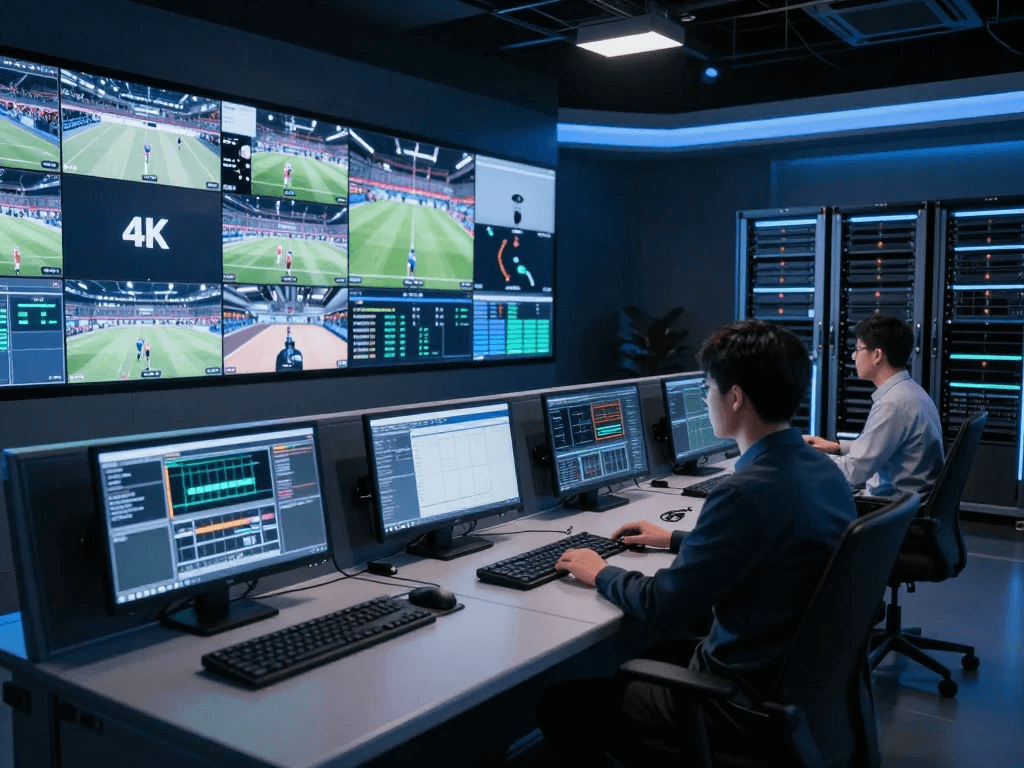
Your streaming quality directly affects how viewers perceive your brand. Modern audiences have little patience for buffering, poor image quality, or unstable streams. If your broadcasts fail repeatedly, viewers often move to competitors offering smoother experiences. Reliable IPTV encoders help maintain viewer trust by delivering consistent video performance across all devices and platforms.
High-quality streaming also improves engagement metrics such as watch time, audience retention, and subscription growth. Smooth playback encourages viewers to stay longer and interact more frequently with your content. This increased engagement can positively impact advertising revenue, customer loyalty, and brand reputation.
Research from https://www.conviva.com/ demonstrates that streaming quality significantly influences viewer behavior and platform growth. Businesses that invest in reliable IPTV encoding technology position themselves more competitively in today’s rapidly expanding digital media landscape.
Adaptive Bitrate Streaming Enhances Accessibility
Adaptive bitrate streaming is one of the most valuable features offered by modern IPTV encoders. This technology automatically adjusts video quality based on each viewer’s internet speed and device capabilities. Instead of forcing all users to receive the same stream quality, adaptive streaming creates multiple versions of the broadcast at different bitrates.
Viewers with fast internet connections receive high-definition streams, while users with slower connections automatically receive lower-resolution versions to prevent buffering. This flexibility dramatically improves accessibility and user satisfaction, especially in regions with inconsistent internet performance.
Reliable IPTV encoders that support adaptive bitrate streaming help businesses reach broader audiences without sacrificing playback quality. This feature is especially important for OTT platforms, educational services, and live event broadcasters targeting nationwide audiences in the United States.
IPTV Encoder Setup Best Practices
Optimize Your Network Infrastructure
Even the most advanced IPTV encoder cannot compensate for weak network infrastructure. To achieve professional streaming quality, your internet connection, routers, switches, and servers must support high-bandwidth video transmission reliably. Network congestion and unstable connectivity often cause buffering, dropped frames, and synchronization issues.
Using dedicated bandwidth for streaming operations helps maintain consistent performance during live broadcasts. Many professional broadcasters also implement redundant internet connections to reduce downtime risks. Wired Ethernet connections generally provide better reliability than wireless networks for IPTV streaming environments.
You should regularly monitor network traffic and test stream stability before major broadcasts. Proactive infrastructure optimization improves operational reliability while reducing technical issues that may affect your audience experience.
Choose the Right Bitrate and Resolution Settings
Selecting appropriate bitrate and resolution settings is critical for balancing video quality and bandwidth efficiency. Extremely high bitrates may overload viewers with slower internet connections, while low bitrates can reduce image clarity and viewer satisfaction.
Most professional IPTV encoders support dynamic bitrate adjustment, allowing you to optimize streams for different platforms and audience conditions. For example, 1080p Full HD streaming typically requires lower bandwidth than 4K UHD broadcasts while still delivering excellent quality for most viewers.
Here is a basic IPTV bitrate reference table:
| Resolution | Recommended Bitrate |
|---|---|
| 720p HD | 3–5 Mbps |
| 1080p Full HD | 5–8 Mbps |
| 4K UHD | 15–25 Mbps |
| 8K UHD | 50+ Mbps |
Carefully configuring bitrate settings improves stream stability and minimizes buffering across different devices and network environments.
Test Streams Before Going Live
Pre-broadcast testing is one of the most important practices for professional streaming operations. Even high-end IPTV encoders can experience issues if configurations are incorrect or network conditions change unexpectedly. Testing helps identify technical problems before your audience notices them.
You should verify audio synchronization, video quality, bitrate stability, and network performance during every major broadcast setup. Many broadcasters also use backup streams and redundant encoding systems to reduce failure risks during live events.
Consistent testing improves operational confidence while protecting your reputation. Businesses that prioritize preparation and quality assurance typically experience fewer streaming interruptions and higher audience satisfaction rates.
Benefits of Reliable IPTV Streaming Infrastructure
Faster Streaming Improves Search Visibility
Website performance and user experience play important roles in SEO rankings. If your IPTV platform suffers from slow loading times, buffering, or playback interruptions, visitors may leave quickly, increasing bounce rates and reducing engagement metrics. Search engines interpret poor engagement as a sign of lower content quality.
Reliable IPTV encoders improve streaming speed and stability, which helps retain visitors longer and improves overall user experience. Longer session durations and increased interaction can positively influence SEO performance over time.
Businesses operating IPTV websites should also optimize their hosting infrastructure, content delivery networks, and mobile compatibility to improve search engine visibility. Reliable streaming technology supports broader digital marketing goals by enhancing customer satisfaction and engagement.
You can explore IPTV hosting and infrastructure support through https://tivorastream.com/blog/ for additional optimization insights.
Video Content Increases Organic Traffic
Video content continues to dominate digital engagement across the United States. Websites featuring professional streaming content often achieve higher engagement rates, improved social sharing, and stronger search engine performance compared to text-only platforms.
Reliable IPTV encoders help you deliver professional video experiences that support content marketing strategies, online education, live events, and entertainment services. Search engines increasingly prioritize multimedia-rich content because users spend more time interacting with videos and live streams.
Optimized IPTV broadcasting also supports YouTube integration, OTT platforms, and social media streaming campaigns that expand audience reach and organic visibility. Businesses investing in professional streaming infrastructure gain stronger competitive advantages in crowded digital markets.
According to https://www.hubspot.com/, video remains one of the highest-performing content formats for digital marketing and audience engagement.
IPTV Encoder Buying Checklist
Essential Questions to Ask Before Purchasing
Before selecting an IPTV encoder, you should evaluate your technical requirements carefully. Asking the right questions helps prevent expensive mistakes and ensures your streaming infrastructure supports long-term business goals.
IPTV Encoder Buying Checklist
- Does the encoder support H.264 and H.265 codecs?
- Can it handle Full HD or 4K streaming?
- Does it support adaptive bitrate streaming?
- Is low latency performance available?
- Can it stream multiple channels simultaneously?
- Does it integrate with your preferred CDN?
- Are remote management tools included?
- Does the encoder support secure streaming protocols?
- Is technical support available 24/7?
- Can the system scale as your audience grows?
Using a structured evaluation process improves purchasing decisions while reducing compatibility and performance risks.
The Role of CDN Integration in IPTV Streaming
Why Content Delivery Networks Matter
Content Delivery Networks (CDNs) are essential for large-scale IPTV broadcasting because they distribute video streams across geographically dispersed servers. Instead of delivering all traffic from one central location, CDNs reduce latency by routing viewers to nearby servers automatically.
Reliable IPTV encoders integrate seamlessly with CDN platforms to improve playback speed, reduce buffering, and maintain stream stability during high-traffic events. This infrastructure becomes especially important for nationwide streaming services operating across the United States.
Major CDN providers such as https://www.cloudflare.com/, https://aws.amazon.com/cloudfront/, and https://www.akamai.com/ help broadcasters improve global content delivery performance. Combining reliable IPTV encoders with strong CDN infrastructure creates a more scalable and professional streaming environment.
Frequently Asked Questions About IPTV Encoders
What Is the Best IPTV Encoder for Live Streaming?
The best IPTV encoder depends on your broadcasting requirements, audience size, and budget. Professional broadcasters often prefer hardware IPTV encoders because they offer low latency, high reliability, and stable long-term performance. Smaller creators and startups may benefit more from software or cloud-based encoding solutions.
If you stream sports events, television channels, or enterprise webinars, prioritize encoders with adaptive bitrate streaming, H.265 support, and multi-channel capabilities. Reliable IPTV encoders help ensure smooth playback and improved viewer retention across multiple devices.
Are Hardware IPTV Encoders Better Than Software Encoders?
Hardware IPTV encoders generally provide better reliability and performance because they are designed specifically for video encoding tasks. They operate independently from regular computers, reducing crash risks and system instability during long broadcasts.
Software IPTV encoders are more affordable and flexible, making them suitable for smaller projects or entry-level streaming operations. Your decision should depend on your performance requirements, scalability goals, and available budget.
Can IPTV Encoders Stream in 4K?
Yes, many modern IPTV encoders fully support 4K UHD streaming. However, 4K broadcasting requires higher bandwidth, advanced compression, and powerful processing capabilities. H.265 codecs are commonly used for 4K streaming because they deliver better compression efficiency than H.264.
Before investing in 4K IPTV encoding, ensure your internet infrastructure and CDN services can support ultra-high-definition content delivery effectively.
Why Is Low Latency Important for IPTV Streaming?
Low latency minimizes the delay between live events and viewer playback. This is especially important for sports streaming, online gaming, auctions, financial broadcasts, and interactive webinars where real-time communication matters.
Reliable IPTV encoders use optimized protocols and advanced compression systems to reduce latency while maintaining excellent video quality.
How Much Do Professional IPTV Encoders Cost?
Professional IPTV encoder pricing varies significantly depending on features, performance levels, and deployment type. Entry-level software encoders may cost under $100, while enterprise hardware IPTV encoders can exceed several thousand dollars.
Cloud IPTV encoding services often use subscription-based pricing models, making them attractive for businesses seeking scalability without major upfront hardware investments.
To compare professional IPTV solutions and pricing structures, visit https://tivorastream.com/checkout/.
Final Thoughts on Shopping for Reliable IPTV Encoders
Reliable IPTV encoders are the backbone of modern digital broadcasting. Whether you operate a television network, sports streaming platform, educational service, or corporate communication system, your encoder directly affects video quality, audience satisfaction, and operational reliability.
Investing in professional IPTV encoding technology helps you reduce buffering, improve stream stability, support high-definition video, and scale your broadcasting infrastructure efficiently. As streaming demand continues growing across the United States, businesses that prioritize reliable IPTV solutions gain stronger competitive advantages and better long-term performance.
Choosing the right IPTV encoder requires careful evaluation of codecs, scalability, latency, security, compatibility, and infrastructure support. By understanding your broadcasting goals and selecting technology that aligns with your needs, you can build a future-ready streaming environment capable of delivering exceptional viewer experiences.
If you are ready to upgrade your IPTV infrastructure and explore professional streaming solutions, visit https://tivorastream.com/ today to discover scalable IPTV services, advanced hosting options, and expert support tailored for modern broadcasters.
Advanced IPTV Encoder Optimization Strategies (USA Market Focus)
Optimizing IPTV Encoders for Maximum Performance
Once you have chosen a reliable IPTV encoder, the real performance gains come from how well you configure and optimize it. Many users assume that high-quality hardware alone guarantees smooth streaming, but in reality, encoder settings and infrastructure play an equally important role. Proper bitrate tuning, codec selection, and network alignment can dramatically improve stream stability and reduce buffering for viewers across the United States.
You should always match your encoder settings with your audience’s internet capabilities. For example, U.S. urban viewers may support 4K streaming, while rural audiences may require adaptive lower bitrate streams. A properly optimized IPTV encoder ensures both groups receive smooth playback without interruptions. This balance between quality and accessibility is what separates amateur streaming setups from professional-grade IPTV broadcasting systems.
Advanced Bitrate Optimization for IPTV Streaming
Bitrate optimization is one of the most powerful ways to improve IPTV performance. Instead of pushing a single high-bitrate stream to all viewers, professional IPTV encoders allow multi-bitrate output, enabling adaptive streaming.
This ensures that viewers with slower connections automatically receive lower-resolution streams, while high-speed users enjoy Full HD or 4K quality. This dynamic adjustment reduces buffering significantly and improves viewer satisfaction across all devices.
A well-optimized bitrate strategy also reduces bandwidth costs, especially for businesses delivering large-scale live broadcasts. By carefully balancing compression and quality, you can scale your IPTV platform more efficiently while maintaining professional-grade streaming quality.
Internal Linking Strategy for IPTV Websites
Internal linking plays a critical role in SEO performance, especially for IPTV service websites. By strategically linking related pages, you help search engines understand your site structure while guiding users toward high-value pages.
For example, IPTV businesses should connect encoder-related content to pricing, support, and service pages:
- Explore IPTV services: https://tivorastream.com/
- View pricing plans: https://tivorastream.com/pricing/
- Read IPTV blog insights: https://tivorastream.com/blog/
- Access FAQ support: https://tivorastream.com/faq/
- Learn about the company: https://tivorastream.com/about/
- Contact support team: https://tivorastream.com/contact/
- Start streaming setup: https://tivorastream.com/checkout/
This structure improves crawlability, increases user engagement, and boosts SEO rankings for competitive keywords like “IPTV encoders,” “live streaming solutions,” and “IPTV encoder USA.”
High-Converting IPTV Encoder Buyer Intent Strategy
Understanding Customer Intent in IPTV Searches
When users search for “shop for reliable IPTV encoders,” they are not just looking for information—they are often ready to purchase or compare solutions. This is known as high commercial intent, and it represents some of the most valuable traffic in the IPTV industry.
To convert these users effectively, your content must address three key questions:
- Which IPTV encoder is best for my needs?
- How much does it cost?
- Where can I buy a reliable solution?
By answering these questions clearly throughout your content, you increase conversion rates and guide users toward action. This is why internal links, pricing pages, and clear calls-to-action are essential for IPTV-related SEO content.
Strong Call-to-Action (CTA)
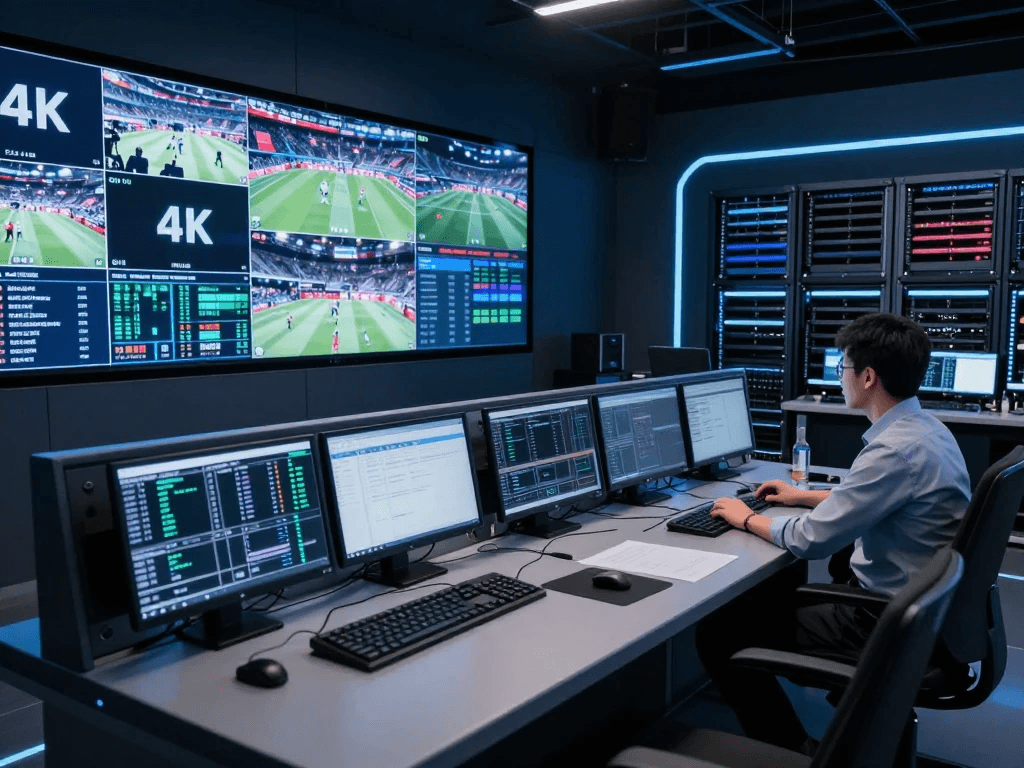
If you are ready to upgrade your streaming infrastructure and eliminate buffering, lag, and unreliable broadcasts, now is the time to invest in professional IPTV encoder solutions.
Reliable IPTV streaming starts with the right technology—and the right provider.
👉 Explore professional IPTV solutions here: https://tivorastream.com/
👉 Compare plans and pricing: https://tivorastream.com/pricing/
👉 Get expert guidance: https://tivorastream.com/contact/
Do not wait until poor streaming quality affects your audience or business reputation. Upgrade your IPTV encoder setup today and deliver the smooth, high-quality experience your viewers expect.
Final Expert Conclusion
Choosing the right IPTV encoder is not just a technical decision—it is a strategic business investment. In today’s competitive U.S. streaming market, your success depends on how well you deliver consistent, high-quality video experiences to your audience.
Reliable IPTV encoders ensure stable broadcasting, reduced latency, better compression efficiency, and scalable streaming performance. Whether you choose hardware, software, or cloud-based solutions, the key is selecting a system that aligns with your goals, audience size, and long-term growth strategy.
As streaming continues to dominate digital media consumption in the United States, businesses that invest early in reliable IPTV encoding infrastructure will have a clear advantage. Better quality leads to better engagement, and better engagement leads to stronger business growth.
The future of IPTV is fast, adaptive, and cloud-driven—and your encoder is the foundation that makes it all possible.